Everyone loves a beautiful, bountiful garden—but not everyone loves the time that goes into it.
From seed-starting in the spring, to planning out your layout (potatoes and tomatoes aren’t good neighbors!), to getting down in the dirt (anyone else’s knees hurt?), checking for pests, watering every day…we get tired just reading the laundry list of what needs to be done in a garden.
And with work, family, and social commitments, who has the time?
That’s where a low-maintenance garden comes in—offering beauty, bounty, and tranquility with less upkeep.
Low-maintenance gardening is all about creating a landscape that requires minimal intervention. That means choosing plants and materials that can thrive with little care, conserving resources like water and designing layouts that reduce the labor-intensive tasks. By doing so, you’ll save time, money and the environment.
Benefits of Low Maintenance Gardening
 As the name might suggest, the biggest benefit of low-maintenance gardening is it doesn’t take a lot of sweat equity. That means:
- You’ll save time on chores like weeding, mowing, and pruning.
- You’ll cut down on expenses related to water, fertilizers and garden services.
- You’ll conserve water and support local wildlife by choosing native plants.
- A beautiful garden enhances your home’s curb appeal!
Planning Your Garden
When planning your garden layout, start by thinking about the size and shape of your garden, as well as the amount of sunlight it gets. That will guide your plant selection and design choices. Consider creating different zones for different plant types and activities—seating areas, pathways, that kind of thing.
You can use a pen and paper or even a planning app to map out your garden.
What to Plant in a Low-Maintenance Garden
 For a low-maintenance garden, we recommend plants that are native to west Michigan. They’re adapted to local conditions and support local wildlife. Consider these perennials for your garden:
- Coneflowers are beautiful and colorful blooms that love full sun and well-drained soil.
- Black-Eyed Susan are bright and cheery flowers that can be planted in the spring or the fall.
- Lavender is beautiful, fragrant, and has a long growing season—and the flowers can be dried and used as indoor fragrance or even in your favorite beverage (lavender lemonade, anyone?)
- Swamp milkweed have beautiful pink flowers and are a great food source for monarch butterflies.
Also consider year-round plants:
- Evergreen shrubs are natural noise barriers, windbreakers, and privacy screens—and they make great homes for your favorite feathered friends year round.
- Ornamental grasses help prevent erosion and tend to be fairly drought-resistant, so they won’t mind if you forget to water them.
How to Water Your Garden
Watering systems are another area where you can make a big impact. Installing a drip irrigation system or soaker hoses delivers water directly to the plant roots, reducing waste and the need for frequent watering. These systems can be set on timers, so you can have consistent hydration without daily attention.
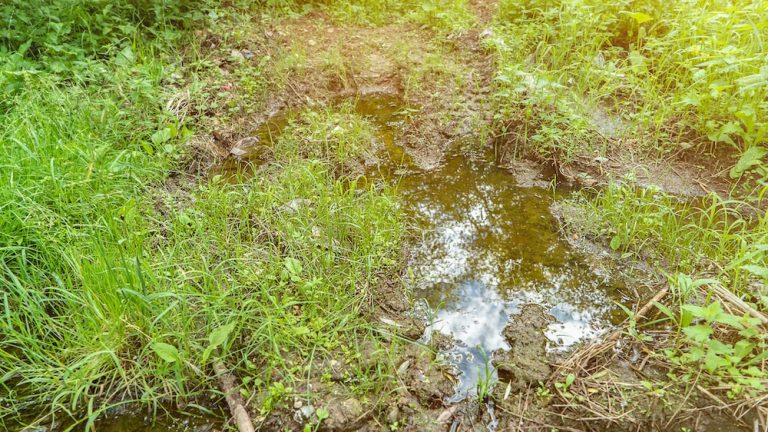
When shopping for your plants, look for ones that are drought resistant or flood resistant—they need less water and prevent erosion.
Other Low-Maintenance Tips
 Mulch is your friend in a low-maintenance garden. Apply a 3-4 inch layer around your plants when first planting to retain soil moisture, suppress weeds and regulate soil temperature. As the mulch breaks down, it enriches the soil and promotes healthier plant growth. For existing landscapes, a 1-2 inch layer of mulch every 1-2 years is more than enough.
Ground covers like creeping thyme, clover and moss are great alternatives to traditional lawns. They require less water and mowing, and their dense growth suppresses weeds naturally. They add texture and color to your garden, too. If you are still wanting grass for your lawn, but want the low maintenance still, then lean towards a fescue mix. They can tolerate droughts and heat better than Kentucky Bluegrass blends.
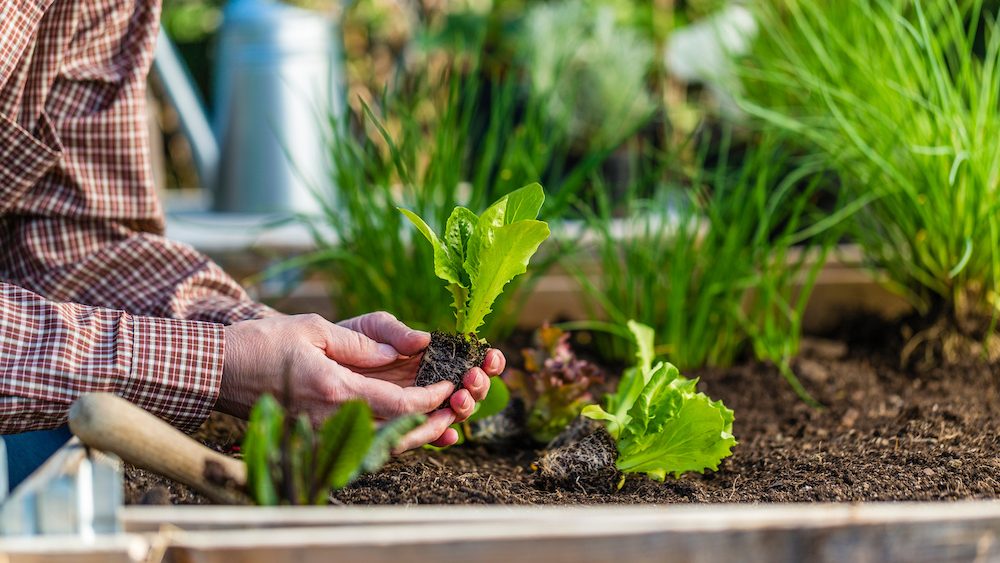
To make your garden even more low-maintenance, use raised beds to improve soil drainage and reduce weed growth. Create pathways with gravel or stepping stones to minimize lawn areas and reduce mowing. Limiting lawn space decreases the need for regular mowing and watering.
In terms of maintenance, prune selectively to keep your plants healthy. Monitor for pests regularly and address issues as they come up. Fertilize sparingly to avoid excessive growth and increased maintenance.
A Low-Maintenance Garden for Every Busy Lifestyle
Designing a low-maintenance garden tailored to your lifestyle is achievable with thoughtful planning and the right choices. By selecting the right plants, implementing efficient systems and designing with care, you can create a garden that enhances your home’s beauty without demanding constant attention.
For personalized advice or assistance in transforming your outdoor space, consider consulting with a local landscaping professional. They can provide expert guidance tailored to your specific needs and preferences.
Ready to transform your garden into a low-maintenance haven? Contact us today to schedule a consultation and take the first step toward a more beautiful and manageable outdoor space.