
If you’re a homeowner in West Michigan, you know our weather can be crazy. From sudden downpours to rapid snowmelt, managing stormwater runoff is key to protecting your property and the environment. Improper drainage can lead to basement flooding, eroded landscapes and even foundation damage.
But with the right stormwater solutions, you can protect your yard and your home.
In this guide, we’ll cover practical stormwater and drainage solutions for small residential properties. Whether you have a soggy backyard or a driveway that turns into a river during heavy rains, we’ve got you covered.
Why Should You Care About Stormwater Management?
Before we get into solutions, let’s answer a common question:
“Why should I invest in stormwater management for my property?”
Here are some good reasons:
- Prevent Property Damage: Excess water seeps into basements, erodes foundations and damages landscaping.
- Protect Local Waterways: Untreated runoff carries pollutants like fertilizers and oils into lakes and rivers.
- Enhance Property Value: A well-managed landscape is not only beautiful but also adds to your home’s value.
- Comply with Local Regulations: Municipalities have stormwater management requirements for homeowners.
Top Stormwater and Drainage Solutions for Small Yards
Most stormwater and drainage solutions for small yards are pretty simple–with just a few changes, your lawn and foundation can be safer.
1. French Drains
What Is It?
A French drain is a trench filled with gravel or rock containing a perforated pipe surrounded with a filter fabric that redirects surface water and groundwater away from an area.
Why It Works for Small Properties
French drains are great for directing water away from foundations, patios or garden beds. They work well in areas with poor drainage and can be installed along property lines or near structures. They also move the water faster than water moving across your lawn.
Installation Tips
- Location: Place the drain where water naturally accumulates, such as along the foundation or in low-lying areas.
- Slope: Make sure the slope is gentle (about 1—2% or 1-2 inches per 10 feet) to allow water to flow.
- Materials: Wrap the pipe with geotextile fabric to prevent sediment from clogging it.
2. Rain Gardens
What Is It?
A rain garden is a shallow, planted depression that collects and absorbs runoff from impervious surfaces like roofs and driveways.
Benefits for Small Yards
- Aesthetic Appeal: Adds beauty and biodiversity to your landscape.
- Pollution Reduction: Filters pollutants before they reach storm drains.
- Wildlife Habitat: Provides a habitat for beneficial insects and birds.
Design Considerations
- Size: Make it big enough to handle runoff from your roof or driveway.
- Soil: Ensure good drainage; amend soil if necessary.
- Plant Selection: Choose native, water-tolerant plants that can withstand wet and dry conditions.

3. Permeable Pavers
What Is It?
Permeable pavers are interlocking stones that allow water to pass through, reducing runoff and promoting recharging of the local aquifers.
Use For
- Driveways: Replace asphalt or concrete with permeable pavers to reduce runoff. (In cities and municipalities, you are only allowed a certain amount of impermeable spaces outside.)
- Walkways: Create paths that allow water to infiltrate the ground.
- Patios: Design outdoor living spaces that manage stormwater.
Pros
- Durability: Strong enough for vehicular traffic.
- Low Maintenance: Easy to clean and maintain.
- Aesthetic Flexibility: Available in various styles and colors to match your landscape design.
4. Dry Wells
What Is It?
A dry well is an underground structure that collects and temporarily stores stormwater runoff, allowing it to seep slowly into the ground.
Good For:
- Areas with Poor Drainage: Manages water in areas where surface runoff accumulates and can’t drain out of your yard.
- Landscaped Areas: Integrates into garden beds without disrupting aesthetics.
Installation Tips
- Location: Place away from foundations and septic systems.
- Size: Make sure it’s big enough to handle the volume of runoff.
- Maintenance: Check yearly where any catch basins or areas where sediment can collect.
5. Gutter Extensions and Downspout Solutions
What Is It?
Gutter extensions and downspout solutions direct water away from your home’s foundation, preventing erosion and water damage.
Choices
- Rain Chains: Decorative options that direct water to rain barrels or gardens.
- Buried Downspouts: Pipe buried underground that takes the water to a designated area. Usually made out of corrugated or pvc pipe.
Pros
- Affordable: Manage runoff without breaking the bank.
- Easy Install: Quick to set up with no major modifications.
- Style Options: Add style to your home’s exterior.

Common Questions and Concerns About Stormwater and Drainage
When it comes to stormwater solutions and drainage fixes, we get a lot of questions from homeowners in Grand Rapids, Holland, Kalamazoo and the lakeshore. If you’re investing in changes to your property, you have concerns—especially when it involves water, foundations and your landscaping. Here are the most common questions we get and our answers, straight from the field:
1. Will These Work in West Michigan?
Short answer: Yes.
West Michigan has a unique climate. We get heavy rain in spring and fall, lake effect snow that melts quickly, and freeze-thaw cycles that shift soil and break down poorly installed systems.
Any drainage solution needs to be designed with regional conditions in mind. At Torchwood Landscaping we build systems that take all four seasons into account, especially snowmelt and saturated spring soils. We use materials like perforated pipe, gravel and geotextile fabric because they are durable and resistant to freezing conditions.
2. How Much Do Stormwater Solutions Cost for Small Properties?
The honest answer is it depends on the size of the problem and the complexity of the solution. But here’s a general breakdown for small residential properties:
Average Cost Range for West Michigan
- French Drain: $4,000—$10,000
- Rain Garden: $2,400—$6,000
- Permeable Pavers (driveway): $20,000—$40,000+
- Dry Well Installation: $2,000—$4,000
- Downspout Burials: $300—$500 per downspout
The good news is many of these solutions can be scaled to your budget. For example, you can start with a small rain garden or downspout extension and add a French drain later if needed.

3. Can I Do These Myself?
If you’re handy with a shovel and don’t mind getting dirty, some drainage options are very DIY friendly:
- Downspout Burials: Absolutely!
- Small rain gardens: With some planning and native plant knowledge, creating your own rain garden is possible!
- Dry wells: It’s possible, but digging and sizing properly can be a challenge
- French drains and permeable pavers: Usually best left to the pros (unless you’ve done it before)
Even if you’re planning to do some of the work yourself, we always recommend starting with a site drainage consultation to avoid costly mistakes—especially if you’re dealing with foundation drainage or heavy runoff.
4. What If My Yard Is Really Small or Sloped?
That’s actually pretty common in urban or older neighborhoods in West Michigan. Good news: small doesn’t mean helpless.
For tight or awkward lots:
- Use rain barrels to collect water at the source. (An added bonus—easy place to fill your watering can and water your plants!)
- Try stacked rain gardens on slopes with retaining edges to slow water flow down.
- Channel drains or trench drains can control water along narrow driveways and walkways.
In sloped yards, we often combine a few solutions, like a French drain at the top and a dry well or rain garden at the bottom, to manage water in stages.
5. Do I Need a Permit or Approval to Make Drainage Changes?
It depends on what you’re doing and where you are located. Some cities do require permits, especially if it is a bigger project.
Small projects like downspout extensions or basic rain gardens usually don’t require a permit.
If you’re doing significant grading, adding permeable hardscape or installing systems near public easements you might need local approval.
If you live near the lakeshore or in a watershed zone, you may also be subject to DEQ or township regulations.
A local contractor familiar with West Michigan’s rules (like us!) can help you navigate that process.
6. Will These Solutions Attract Mosquitoes or Smell?
This is a valid concern. Nobody wants to trade water problems for pest problems.
Properly designed drainage solutions should never create standing water for more than 24-48 hours. Rain gardens, dry wells and French drains are designed to move water away or down into the soil quickly not let it sit.
To avoid stagnant water:
- Make sure gutters and downspouts are clear and sloped.
- Keep your rain garden free of compacted mulch.
- Use rock or clean fill around French drains to promote fast drainage.
- Avoid placing rain barrels in areas that stay shady and damp.
If you’re seeing or smelling standing water long after a rainstorm that’s a sign something’s not draining properly.
7. How Long Will These Systems Last?
Like anything, longevity comes down to materials, installation, and maintenance.
Here’s what you can expect:
- French Drains: 20–30 years if properly installed with fabric and clean gravel
- Rain Gardens: Ongoing, with seasonal plant maintenance
- Permeable Pavers: 25+ years with occasional cleaning
- Dry Wells: 10–20 years depending on soil and debris control
We recommend annual maintenance checks, especially in spring and fall, to remove debris, check for clogs, and spot early signs of failure.
8. What’s the Best Solution for My Yard?
There’s no one-size-fits-all answer, which is why we always start with a site consultation. But generally speaking:
- If your yard floods or stays soggy, start with a French drain and dry well.
- If you have runoff from roofs or driveways, rain gardens or permeable pavers are great.
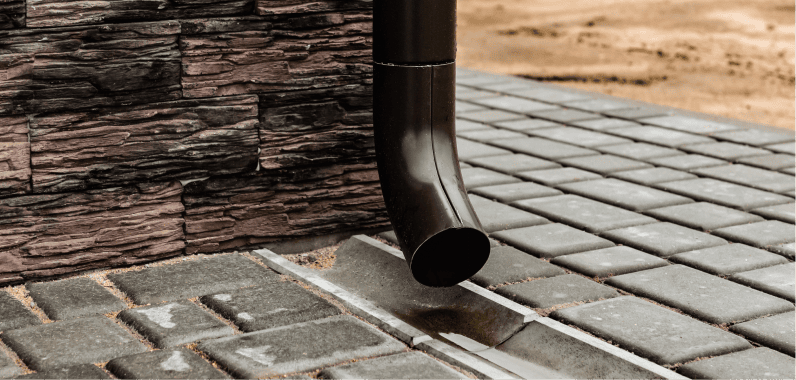
- If you’re trying to keep water away from your foundation, use gutter buried downspout drains.
Our design team at Torchwood Landscaping builds systems that work with your land—not against it—so you get a beautiful, functional solution that lasts.
Don’t Let Water Win
West Michigan may have beautiful forests, lakes and farmland—but we’ve also got clay-heavy soils, snowmelt and intense spring storms. If you’ve been putting off dealing with a drainage problem because it seems too expensive or too complicated, you’re not alone.
But here’s the thing: small drainage issues rarely stay small. And the longer you wait, the more likely they are to affect your home, your landscaping and your peace of mind.
Whether you’re planning a new build, dealing with an inherited mess or just tired of a soggy lawn, investing in the right solution will save you time, money and stress in the long run.
Ready to Solve Your Drainage Problems?
Torchwood Landscaping offers customized solutions for West Michigan homeowners who want peace of mind, not puddles. From consultation to installation, we’ll walk you through every option—and design a system that fits your budget, your space and your goals.
Call us today to schedule a consultation!