
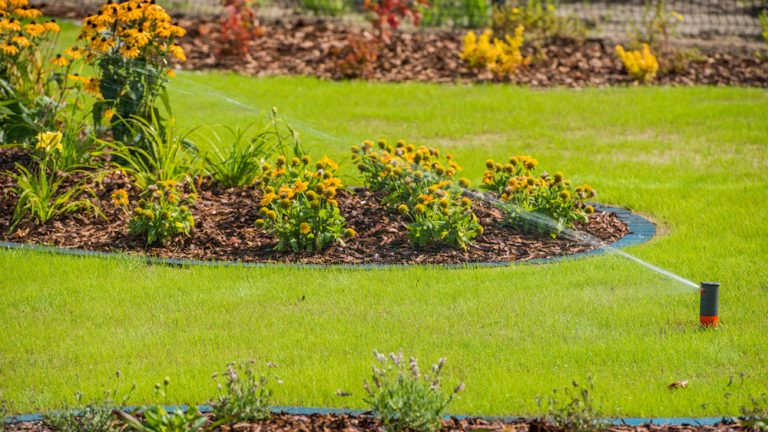
Have you ever walked out into your yard on a scorching July afternoon in West Michigan and seen yellowing grass and wilting plants?
Summer heatwaves are becoming more frequent and intense across the Midwest, including right here in West Michigan. Between Grand Rapids and Holland, over to Kalamazoo and up into Rockford, homeowners are seeing the impact of higher temperatures and longer dry spells. It doesn’t matter whether you’ve got a small flower garden, a sprawling backyard landscape, or a few potted herbs on the porch—plants struggle in the heat just like we do.
At Torchwood Landscaping, we’ve seen firsthand what heatwaves can do. Wilting hydrangeas. Burned tomato plants. Brown patches in the lawn. The good news? Most of this can be prevented if you take the right steps.
In this guide, we’re going to break it all down: what actually happens to your plants during a heatwave, how to prevent heat stress, and most importantly, how to protect your plants from heat before it becomes a problem.
What Happens to Plants During a Heatwave?
When temperatures go above 85°F, many common garden plants start to experience heat stress, especially during a heatwave—defined as several days in a row of extremely high temperatures, often with no nighttime cooling and no rain.
During a heatwave, three things happen to plants:
- Water evaporates faster from the soil, drying it out before plants can benefit from it.
- Roots become dry and plants start to gasp for water.
- Plants lose water through their leaves in a process called transpiration.
When it’s too hot, plants close their leaf pores to conserve water. That means they stop absorbing CO₂ and photosynthesis slows down or stops. Sunlight can scorch leaves, flowers and fruit. Think of it like a sunburn for your petunias. Ouch.
Bottom line: Heatwaves stress plants in multiple ways and the effects add up fast.
West Michigan’s Summer Heat: Why It Matters
If you’ve lived in West Michigan for a while, you know our summers are unpredictable. One week it’s 72 and breezy and the next week it’s 92 with no rain in sight.
That variability is exactly why knowing how to protect your plants from heat is so important. We get bursts of extreme weather with no warning. Your landscape needs to be ready for those conditions, not just the average summer day.
And here’s another kicker: our sandy soils in areas near Lake Michigan—like Grand Haven, Muskegon and South Haven—drain quickly. That’s great for avoiding root rot, but not so great when your plants need moisture to survive a five day heatwave.
How to Protect Your Plants from Heat: 10 Proven Tips That Work in West Michigan
Whether you’re working with a professional landscaper (like Torchwood!) or going DIY, here’s what you need to know to keep your plants healthy and vibrant all summer long.
1. Water Deeply, Not Frequently
One of the biggest mistakes we see? Watering too often but not deeply enough.
Shallow watering keeps roots moist near the surface, which dries out faster during heat. Try watering deeply and less frequently to encourage deep root growth. This makes your plants more drought tolerant.
Torchwood Tip: Use a soaker hose or drip irrigation early in the morning. Watering in the heat of the day causes evaporation and watering at night can promote disease.
2. Mulch Like You Mean It
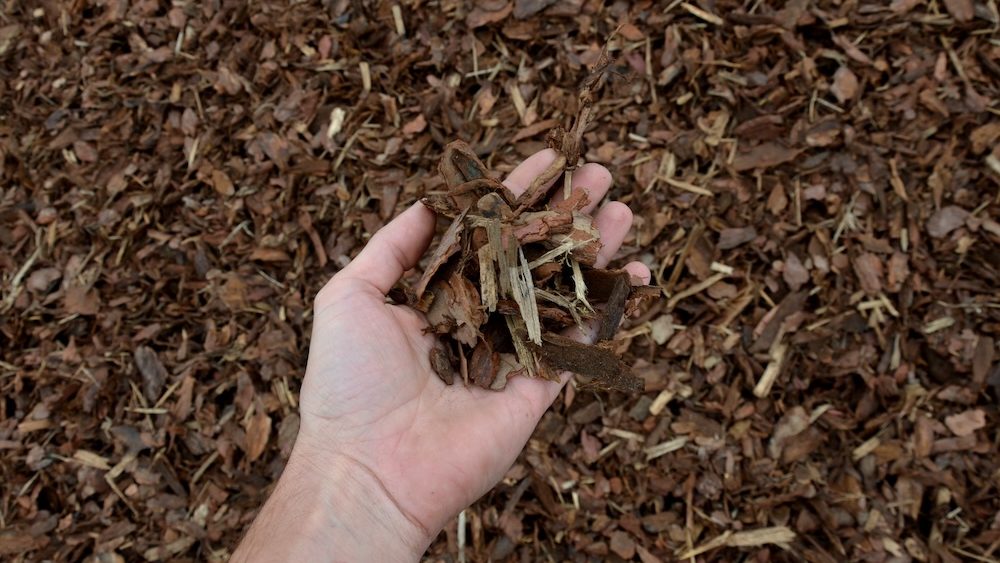 Mulch is your plant’s best friend during a heatwave.
A 2-4 inch layer of organic mulch (like shredded bark, wood chips or compost) keeps soil cool, conserves moisture and protects roots from sudden temperature swings.
Torchwood Tip: Avoid piling mulch directly against the stems or trunks. Give everything a little breathing room.
3. Create Shade (Especially for Sensitive Plants)
Some plants just don’t handle heat well. Think: hostas, impatiens, hydrangeas and leafy greens like lettuce.Temporary shade cloths, patio umbrellas or even garden beds tucked behind taller plants or shrubs can help reduce direct sunlight during the hottest part of the day (usually 2-5 pm).
Torchwood Clients Ask: Can I just use a bed sheet or old tarp?
Yes, you can. Anything that provides dappled or filtered light without smothering the plants will help reduce heat stress.
4. Group Potted Plants Together
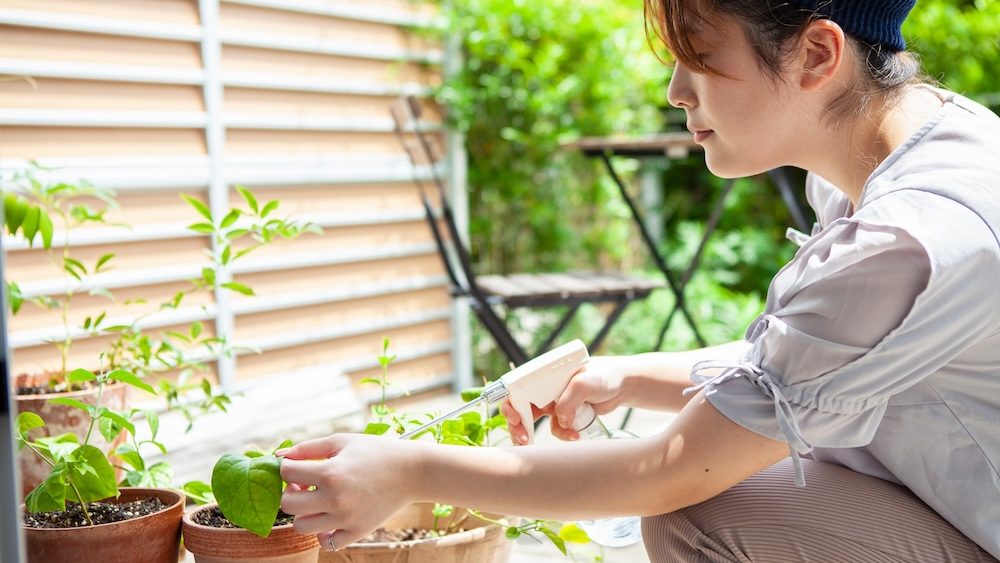 Container plants dry out faster than those in the ground. To protect them:
- Group them together to create a humid microclimate.
- Move them to partial shade if possible.
- Place them on trays filled with pebbles and a bit of water to boost ambient humidity.
This is especially useful for herbs, succulents and houseplants you keep outdoors for the summer.
5. Water First for New Plants and Veggies
New plantings haven’t developed deep roots yet and veggies like tomatoes, peppers and cucumbers need consistent moisture to produce fruit.
If water is limited, prioritize these over mature shrubs or drought-tolerant perennials.
West Michigan Favorite Alert: Coneflowers, black-eyed Susans and sedum are more heat-tolerant once established. They still need love, but they’re less vulnerable during a short dry spell.
6. Don’t Fertilize During Heatwaves
When plants are stressed by heat, they don’t need extra growth—they need recovery. Fertilizers, especially high-nitrogen blends, can burn roots and push the plant to grow when it doesn’t have the water or energy to do so.
Wait until cooler weather returns.
7. Watch for Signs of Heat Stress
Catching the signs early gives you a chance to intervene.
Look for:
- Wilting even after watering
- Yellow or scorched leaves
- Leaf curl or drop
- Slowed growth or no blooming
If you see these, step up your watering and provide shade as needed. The sooner you respond, the better.
8. Use Windbreaks or Barriers
Hot dry wind can be just as damaging as direct sun. Erect temporary barriers using lattice, fabric screens or even strategically placed furniture. Some homeowners in Holland or Saugatuck install living windbreaks—like ornamental grasses or arborvitae—which also boost curb appeal.
9. Choose the Right Plant for the Right Place
This is huge. If your sunny south-facing slope is burning up your perennials every year it might be time to rethink the planting.
Choose heat-tolerant native or adaptive species for tough spots:
Native options: Butterfly weed, prairie dropseed, purple coneflower
Adaptive choices: Russian sage, lavender, ornamental grasses
These thrive with less water and stand up to sun—and they look great in West Michigan landscapes.
10. Automate Where You Can
Busy? We get it.
Smart irrigation systems, timers and moisture sensors can help you keep your landscape hydrated without daily effort. They’re especially helpful if you travel during the summer or just don’t want to be tied to a hose every morning.
At Torchwood we install efficient, zoned irrigation systems tailored to your yard’s sun exposure, soil type and plantings. It’s a game-changer.
West Michigan Homeowner FAQs About Protecting Plants from Heat
Should I water my lawn during a heatwave?
It depends on your goals. If you want a green lawn all summer, yes—but water deeply (at least an inch a week) in the early morning. If you’re okay with a little browning, your lawn will go dormant and bounce back once cooler temps return.
Can I plant new flowers during a heatwave?
Not ideal. The stress of transplanting during extreme heat can be too much for most plants. Wait until cooler weather or give them plenty of water, mulch and temporary shade.
What if my plants are already damaged?
Don’t panic. Prune off scorched leaves, keep them watered and resist the urge to over-fertilize. Many will recover once the weather stabilizes. If not, Torchwood can help assess what went wrong and suggest better choices for next time.
Bottom Line: Beat the Heat, Grow with Confidence
Here’s the truth: learning how to protect your plants from heat isn’t just a nice-to-know. It’s essential if you want a thriving landscape in West Michigan’s crazy summer weather. It doesn’t matter if you have a big garden in Ada, a lakeside yard in Grand Haven or a container collection on your Holland balcony—heatwaves are here and they’re not going away. But with a little prep, a little knowledge and the right team behind you, your plants can handle the heat and come out thriving.
And if you need help—Torchwood Landscaping is just a call (or click) away.
We’re not just about planting. We’re about protecting what you plant and helping you enjoy your landscape year-round, through heatwaves, hailstorms and everything in between.
Contact us for a free consultation.
Let’s make your West Michigan landscape heatwave-proof—and beautiful.