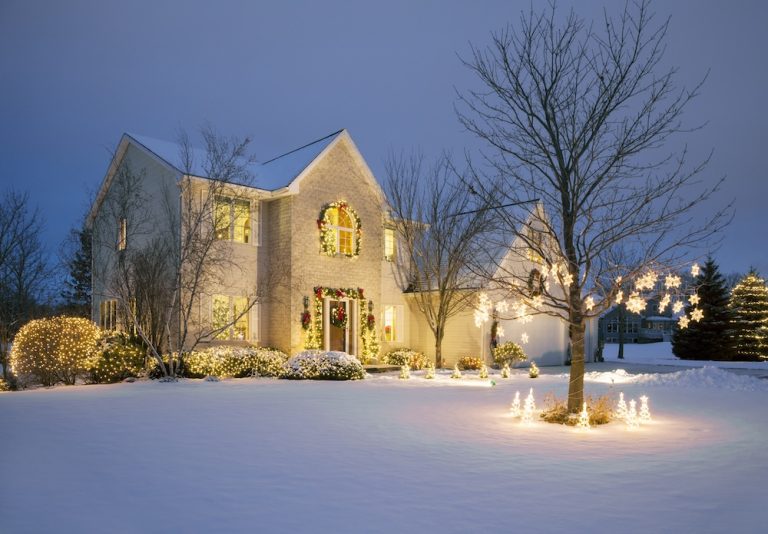

When most people think about landscaping, they picture colorful flower beds, lush lawns, or maybe a stunning patio. But one element often gets overlooked — and it’s one of the most powerful tools in your landscape design toolbox: the humble garden pathway.
At Torchwood Landscaping, we’ve seen again and again how well-designed pathways and walkways transform a yard. Not just functionally — by connecting key areas of your garden — but visually and emotionally. Good walkways and pathways don’t just take you somewhere. They invite you to explore.
If you’re looking for inspiring garden walkway ideas to add beauty, structure, or a little bit of magic to your outdoor space, here are 10 creative ways to use walkways and pathways in your garden — all tailored for our climate, soil, and lifestyle here in West Michigan.
1. Create a Focal Point With Pathways and Walkways
Want your guests to notice that gorgeous fountain, sculpture, or flower bed? Build a pathway that leads them right to it.
Walkways are great at guiding the eye — especially when they subtly curve or use materials that stand out. A winding flagstone pathway through the lawn can bring attention to a gazebo. Brick pavers can draw the eye to a firepit or pond.
Torchwood Tip: Choose materials like natural stone or interlocking pavers rated for freeze-thaw durability — important for surviving West Michigan winters.
2. Use Lighting to Make Walkways Magical
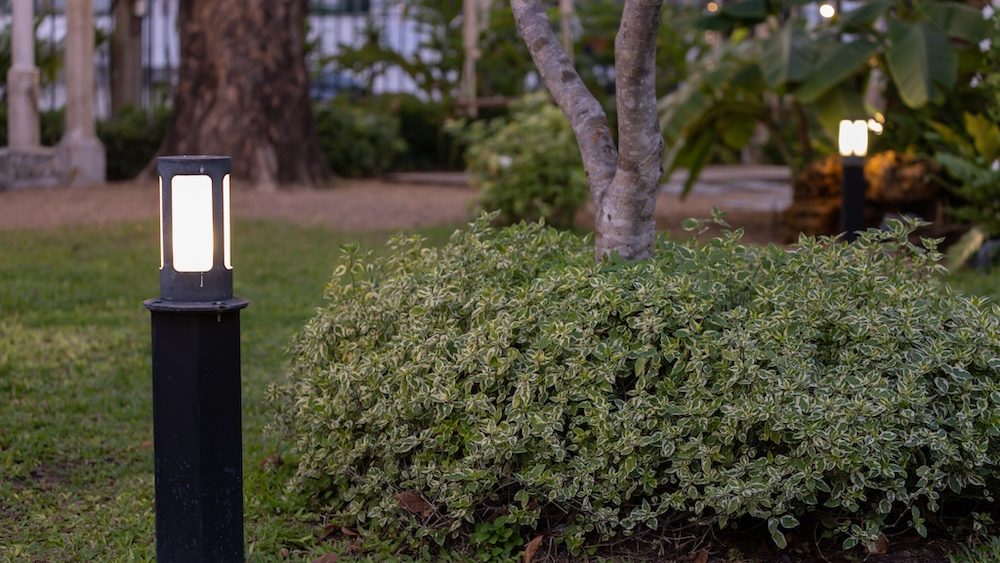 There’s something enchanting about a softly lit pathway at night. Whether you’re hosting a backyard dinner or simply enjoying a quiet evening stroll, adding lighting along your walkways boosts both beauty and safety.
Solar stake lights, low-voltage LED strips, or even string lights wrapped along bordering plants can add subtle ambiance. And with the shorter days we get in fall and winter here in West Michigan, good lighting extends the use of your outdoor walkway spaces.
3. Lead Guests Through a Garden “Journey” With a Meandering Pathway
Think of your walkway as more than a straight shot from point A to B. What if it told a story instead?
Design a garden pathway that moves through different zones of your yard — maybe it starts with crushed gravel, shifts to stone pavers under an archway, and ends at a peaceful bench under a tree. Use different materials, textures, and curves to create interest and encourage exploration.
It’s a great way to make even a small backyard feel larger and more engaging.
4. Separate Spaces With Stylish Walkways
Got a veggie garden, firepit area, and play space all in one yard? Walkways can help tie it all together — while also defining each area without walls or fences.
Using garden paths as soft dividers keeps your yard feeling open but organized. For example, pea gravel walkways can border raised beds, while brick pathways can define the edge of a patio.
This is especially helpful for West Michigan homeowners who want to mix edible gardening with outdoor entertainment areas.
5. Combine Walkways With Built-In Seating
Why not let your walkway open up into a small seating area? Widen a section of the pathway and add a bench, a couple of chairs, or even a hammock stand.
These built-in “pause points” create moments of calm and are perfect for morning coffee, reading, or watching birds.
Local Touch: Use locally sourced fieldstone or reclaimed brick to keep the space rooted in Michigan’s natural beauty and history.
6. Use Recycled or Reclaimed Materials in Your Pathways
Get creative and go green by building your walkways from repurposed materials like salvaged brick, barn wood, or broken concrete pavers (also called urbanite). These can be arranged into mosaic-like garden walkway ideas full of rustic charm.
Not only do recycled pathways look great — especially in farmhouse or cottage-style gardens — but they’re also environmentally friendly and often more affordable.
Pro Tip: West Michigan’s many architectural salvage shops and rural barn deconstruction businesses are great places to source unique materials.
7. Embrace Natural Curves and Flow in Your Walkway Design
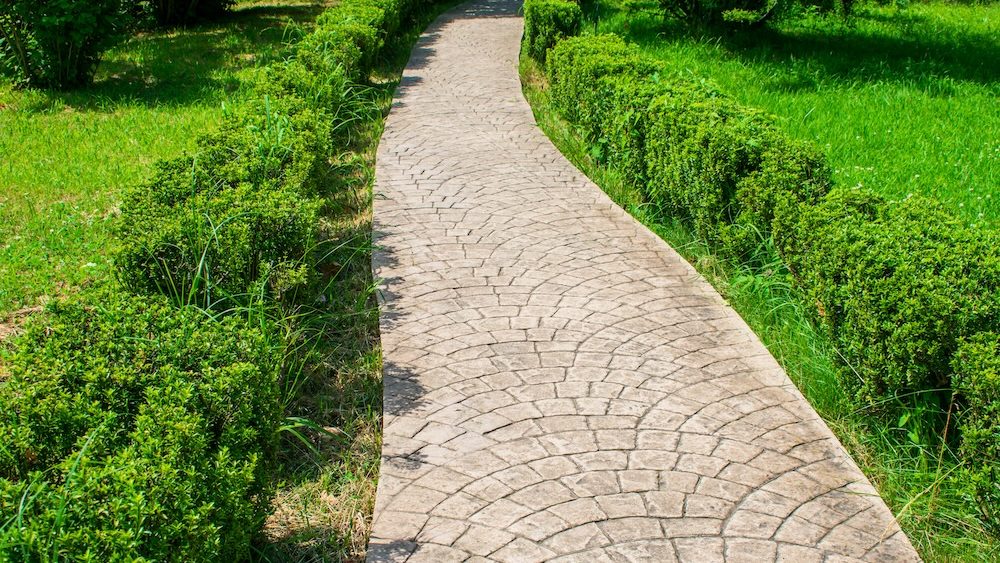 Nature rarely moves in straight lines — and your pathways and walkways don’t have to either.
Curved garden pathways feel more relaxed, encourage wandering, and are easier to blend into planting beds. Use them to create a meandering, woodland-style garden or simply to soften the lines of a modern landscape.
Just keep snow removal in mind — in West Michigan, a curved pathway may look beautiful, but be sure it’s still wide and navigable enough to shovel in winter.
8. Make Garden Pathways Kid-Friendly
If you’ve got little ones, walkways can double as play spaces. Add mosaic stepping stones, include flat boulders for climbing, or embed shapes, letters, or animal prints into the design.
Garden walkways can even become a destination — like a trail that leads to a sandbox, fort, or fairy garden.
Bonus Idea: Use smooth flagstone or rubber mulch in areas where kids might trip or fall to help cushion their adventures.
9. Add Texture With Plants Along Your Walkway
Hard surfaces don’t have to feel… hard. Soften the look of any pathway by lining it with lush plantings.
Try creeping thyme between stepping stones, low ornamental grasses, lavender, hostas, or sedum along the sides. The right plants will add movement, fragrance, and color while blending the walkway into the rest of your garden.
Best Picks for West Michigan: Coral bells, feather reed grass, daylilies, and hardy geraniums all do well here and are great for edging garden paths.
10. Build a Low-Maintenance Rain Garden Pathway
Rain gardens are a smart way to capture and manage stormwater — especially in areas with clay-heavy soil or poor drainage (common in parts of West Michigan). By incorporating a walkway through a rain garden, you get both form and function.
Use stepping stones or a raised wooden boardwalk to keep feet dry while giving pollinators and native plants the space they need to thrive.
Environmental Bonus: Helps keep runoff out of local lakes, streams, and rivers — which we all care about here in Michigan.
FAQ: Common Pathway and Walkway Questions From West Michigan Homeowners
Q: What walkway materials hold up best in our climate?
A: Natural stone, interlocking concrete pavers, and crushed gravel are all solid options. Avoid untreated wood or thin flagstone, which can crack in freeze-thaw cycles.
Q: Can I install a garden path myself?
A: Small gravel or mulch garden pathways are good DIY projects. For pavers, drainage-sensitive areas, or more complex layouts, it’s smart to work with a pro — especially to make sure it lasts through Michigan’s changing seasons.
Q: How much does a garden walkway cost?
A: It depends on the materials and complexity. Simple gravel pathways might cost $8–12 per linear foot, while custom paver walkways could range from $18–30+ per foot installed.
Q: What’s the lowest-maintenance option?
A: Crushed gravel and compacted stone dust paths are easy to maintain and drain well. Pavers are also low-maintenance if installed with proper edging and a solid base.
Q: How do I prevent water from pooling on the walkway?
A: Proper grading, using permeable materials, and incorporating drainage solutions like French drains or dry creeks are key. That’s especially important here, where spring thaw and summer storms can dump a lot of water quickly. Check out our other tips for water-smart hardscape designs!
Walkways and Pathways Are the Backbone of Beautiful Gardens
Garden walkways and pathways do more than connect points in your yard. They connect experiences, memories, and moments of joy. Whether it’s a child skipping down a hopscotch path, guests being guided to your firepit, or you enjoying the morning quiet on a bench at the end of a stone trail — the right walkway can make your garden feel like home.
If you’re dreaming of adding or upgrading a pathway in your yard, let’s talk. At Torchwood Landscaping, we help West Michigan homeowners bring their landscapes to life — with durable, beautiful pathways and walkways that suit your lifestyle and our climate.
Contact us today for a free consultation or design quote. Let’s build a path worth walking.