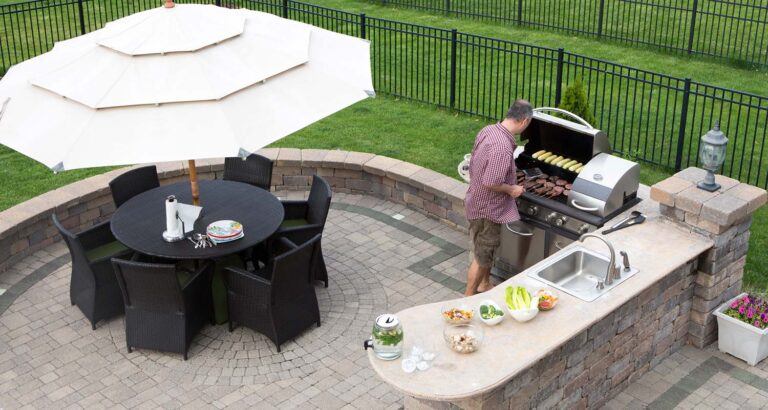

If you live in West Michigan, you’ve probably dealt with a wet backyard, water pooling near your foundation, or erosion in parts of your landscape. At first, these issues seem like minor annoyances—muddy feet, lost grass, maybe a flooded mulch bed or two. But over time, bad stormwater management doesn’t just ruin your yard—it hurts the environment, harms local water systems and can even contribute to regional flooding problems.
At Torchwood Landscaping, we talk to a lot of Michigan neighbors about stormwater management, especially during the rainy or snowmelt seasons.
In this blog we’ll go over what stormwater is, how bad management leads to bigger problems and most importantly—what you can do about it. Whether you’re a homeowner with a wet backyard or just trying to be a better landowner this guide is for you.
What Is Stormwater and Why Does It Matter?
Stormwater is the rain or melting snow that runs off hard surfaces like roofs, driveways, patios and compacted lawns instead of soaking into the soil.
In a natural, undeveloped landscape rainwater is absorbed into the ground, filtered by soil and eventually replenishes groundwater. But home foundations, driveways, or improperly-aerated lawns leave rain with nowhere to go.
Instead it races off your property, picking up everything in its path: oil, fertilizers, pet waste, pesticides and sediment. This polluted water flows into storm drains, creeks and rivers—untreated and unfiltered.
In West Michigan, this water often ends up in the Grand River, Lake Michigan or local wetlands and it can have a big impact on water quality and habitat health.
What’s the Environmental Impact of Bad Stormwater Management?
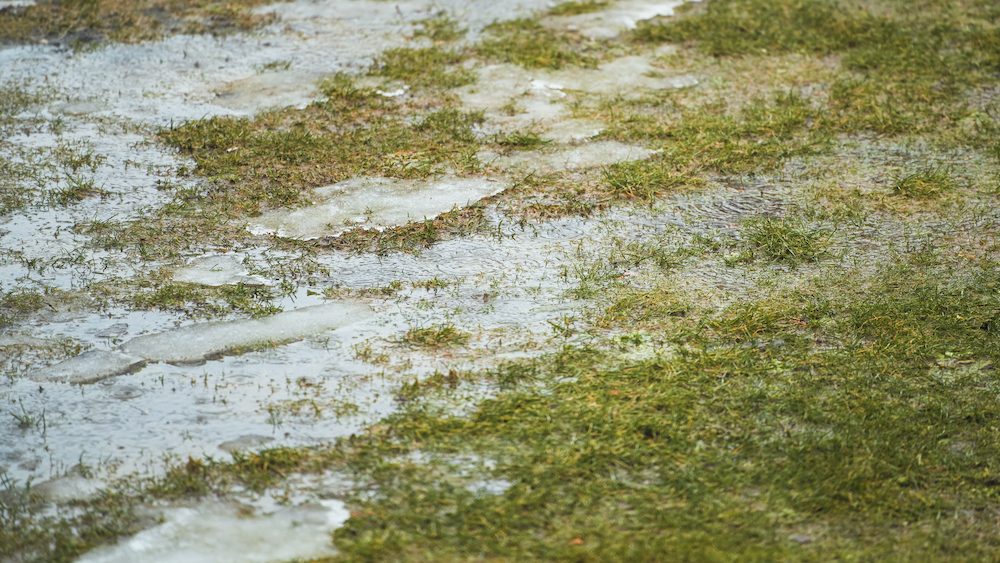
When your property doesn’t manage stormwater properly—whether due to poor grading, compacted soil or lack of drainage solutions—it becomes part of a much bigger problem.
1. Pollution
Badly managed stormwater collects:
- Lawn fertilizers
- Weed and insect control products
- Road salt
- Vehicle oil and fuel
- Pet waste
- Soil and sediment
This toxic mix flows directly into local waterways. In fact the EPA says stormwater runoff is one of the top causes of water pollution in the United States.
Once it hits local streams or lakes that pollution can lead to:
- Algae blooms from nitrogen and phosphorus runoff
- Low oxygen levels that kill fish and aquatic life
- Unsafe swimming conditions from bacteria from pet and wildlife waste
West Michigan’s proximity to Lake Michigan means we’re especially vulnerable to this. Our watershed health depends on individual homeowners doing their part.
2. Soil Erosion
When water moves too fast across the surface—especially on sloped or bare ground—it starts to erode the soil. This not only damages your yard but also sends excess sediment into creeks and wetlands.
Sediment:
- Smothers fish habitats and spawning grounds
- Clouds the water making photosynthesis harder for aquatic plants
- Carries attached pollutants downstream
Over time this weakens the health of entire watersheds, including the Grand River basin and Lake Michigan shoreline.
3. Flooding and Property Damage
Water that isn’t directed properly causes localized flooding especially during heavy storms. It can:
- Pool near your foundation increasing the risk of basement flooding
- Damage decks, patios and walkways
- Drown grass and plants
- Kill trees through prolonged root saturation
Multiply this by hundreds or thousands of properties in the area and the stormwater system becomes overwhelmed. That’s when community-wide flooding can occur even in areas that haven’t flooded before.
4. Wetland Destruction
When runoff reaches local wetlands faster than the ecosystem can handle it alters the natural water balance. Wetlands act like sponges—filtering water, absorbing floodwaters and supporting biodiversity.
But excess stormwater can:
- Introduce invasive species
- Alter water chemistry
- Kill native plants
- Disrupt breeding grounds for birds and amphibians
In West Michigan where many of our wetlands are seasonal or shallow this kind of pressure is devastating.
What Causes Stormwater Drainage Problems?
Stormwater issues start in your own yard. Here are some of the most common problems we see at Torchwood Landscaping:
Poor Grading
Your lawn may look flat but water is flowing directly towards your foundation or low-lying areas. Without a slope water can’t drain.
Compacted or Clay Soil
In West Michigan clay soils are common. These soils don’t infiltrate well causing more surface runoff instead of soaking in.
No Drainage System
Downspouts pouring onto lawns, patios without slope and no French drains or dry wells can all contribute to water buildup.
Oversaturated Landscapes
Too much turfgrass, not enough native plants or rain gardens. Traditional lawns don’t manage water well and can become oversaturated easily.
Stormwater Drainage Solutions
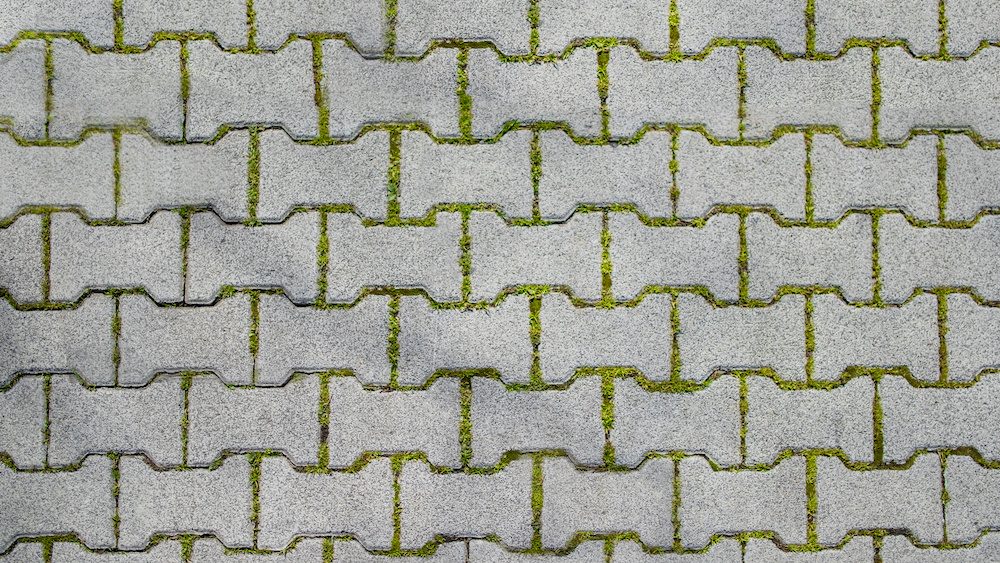
Fortunately there are environmentally friendly stormwater management solutions you can implement—most of which will also improve your yard’s health and value.
1. Rain Gardens
A rain garden is a shallow planted basin that collects runoff from roofs, driveways or patios. It allows water to soak in over 24-48 hours, filtering pollutants through the soil and plant roots.
West Michigan native plants like swamp milkweed, blue flag iris, and Joe Pye weed thrive in these conditions.
2. Permeable Hardscapes
When installing a new patio, driveway or walkway consider permeable pavers. These allow water to pass between the joints and soak into a gravel base below—reducing runoff by up to 90%.
At Torchwood Landscaping we use ICPI-certified systems designed for Michigan’s freeze-thaw cycles.
3. Dry Creek Beds
A dry creek bed mimics a natural stream and channels water across your property without erosion. It’s functional and beautiful using river rock, boulders and native grasses to slow and filter water.
4. French Drains & Catch Basins
For homes with standing water, especially in low areas or near foundations we often recommend French drains, swales, or catch basins to capture and redirect water underground to a safe discharge point.
5. Lawn Decompaction & Soil Amendment
If you have clay-heavy, compacted soil we can aerate and amend it with compost or sand to improve drainage. This also improves turf health and root development.
Is Stormwater Drainage Worth It?
Will fixing your stormwater problem really help the environment?
Yes—and here’s why:
- Every gallon of runoff you retain or filter on your property is one less gallon polluting the Grand River.
- Better managed water reduces erosion and flooding which protects public infrastructure and habitats.
- By planting native species and reducing lawn area you create a healthier ecosystem for bees, birds and butterflies.
Plus stormwater management improvements often increase property value especially in areas where buyers are more environmentally conscious or where flooding has become a concern.
Real Results in West Michigan
One recent Torchwood client in Grand Haven had a backyard that flooded for days after rain. Their soil was heavy clay and the water had nowhere to go. Not only was the yard unusable for kids and pets but it was also threatening their home’s foundation.
We installed:
- Grading and swales to move water
- Rain garden with Michigan native plants
- Permeable paver patio
- Underground French drain system
Now water is filtered and absorbed properly, their backyard is usable again and they’re no longer worried about stormwater damaging their property—or the environment.
FAQs: Stormwater Management & Environmental Impact
Q: Will a wet backyard really impact my local water system?
A: Yes. All stormwater in West Michigan eventually flows into a larger watershed. Poor management at the individual level multiplies into significant downstream pollution and flooding.
Q: Are there city or township requirements for stormwater?
A: Many local municipalities now have ordinances related to impervious surfaces, drainage plans, and soil erosion control. Some also offer incentives for installing green infrastructure.*
Q: Will Torchwood Landscaping help with the permitting process?
A: Yes. We know West Michigan requirements and can guide you through the paperwork and inspections.
Fix That Wet Backyard—for Your Home and the Environment
When we think about landscaping, most people think about beauty, function and curb appeal. But your yard also plays a big role in the environment—especially when it comes to stormwater drainage management.
At Torchwood Landscaping we specialize in wet backyard solutions that solve your drainage problems and reduce your environmental impact. From rain gardens to permeable pavers, our designs make your home more beautiful, functional and eco-friendly.
Ready to schedule a consultation? Click here to book a site visit or request an estimate with us today.
Quick Facts
- Poor stormwater management causes pollution, erosion, flooding and wetland damage.
- It starts at the property level but impacts the entire region including Lake Michigan.
- Smart landscape solutions like rain gardens, French drains and permeable pavers make a big difference.
- You can improve your property and the environment.