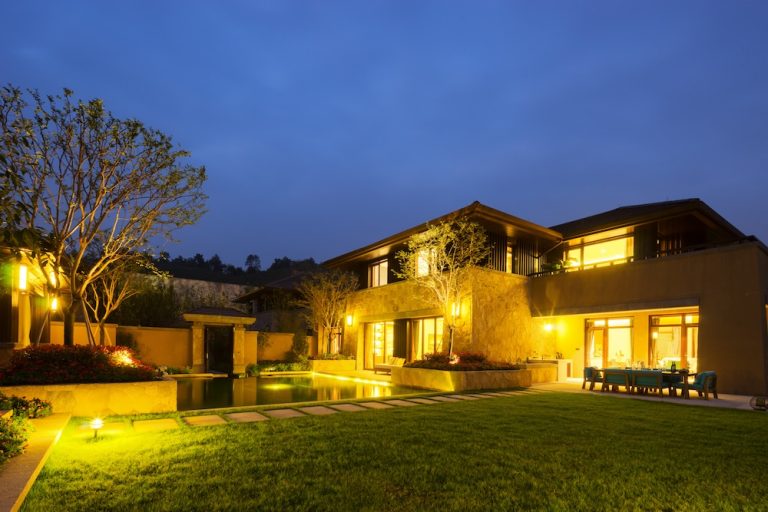
Ever stood in your backyard after dark and thought, “I wish this space felt more inviting and safe”? You’re not alone. One of the most common questions we get from West Michigan homeowners is:
“How many landscape lights do I really need for my yard?”
It’s a great question — and the answer isn’t one-size-fits-all. Too few lights and you’ll have dark, unsafe spots. Too many and your yard will look like a football stadium (and upset your neighbors).
At Torchwood Landscaping, we design and install custom outdoor lighting systems across Grand Rapids, Holland, Kalamazoo, and the lakeshore. In this guide, we’ll cover:
- Why outdoor lighting matters in Michigan yards
- The main types of landscape lights and how they’re used
- How to figure out how many lights you really need
- Typical costs for different lighting setups
- Common mistakes homeowners make with yard lighting
- Professional design tips for West Michigan landscapes
By the end, you’ll know exactly how to plan the right number of landscape lights to make your yard look beautiful, safe, and functional year-round.
Why Landscape Lighting Matters in West Michigan
Outdoor lighting isn’t just about looks, even though a beautifully lit patio or garden bed can completely transform your curb appeal. Path lights prevent trips and falls, while well-lit entries and driveways deter break-ins. In snowy Michigan winters, good lighting is especially important. No one likes slipping on black ice while bringing in their groceries!
Landscape lights also let you use your yard well after sunset, helping set the mood for a relaxing evening. They can even showcase your home’s architecture or landscaping at night if you use dramatic uplighting on trees, shrubs, or the front of your home.
Types of Landscape Lights
Before we get to numbers, it helps to understand the different types of outdoor lighting fixtures and what they do.
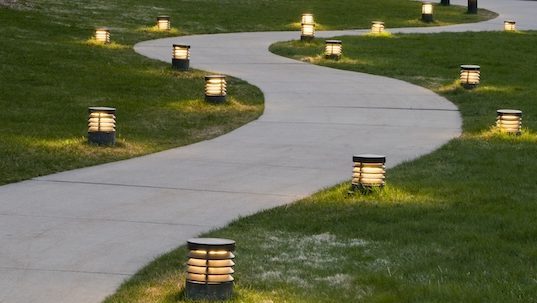
Path Lights
- Short fixtures that line walkways, driveways, or garden paths.
- Provide safety and definition.
- Typically spaced 5–8 feet apart.
Flood Lights
- Cover a wide area with bright light.
- Often used for security lighting or illuminating large outdoor spaces.
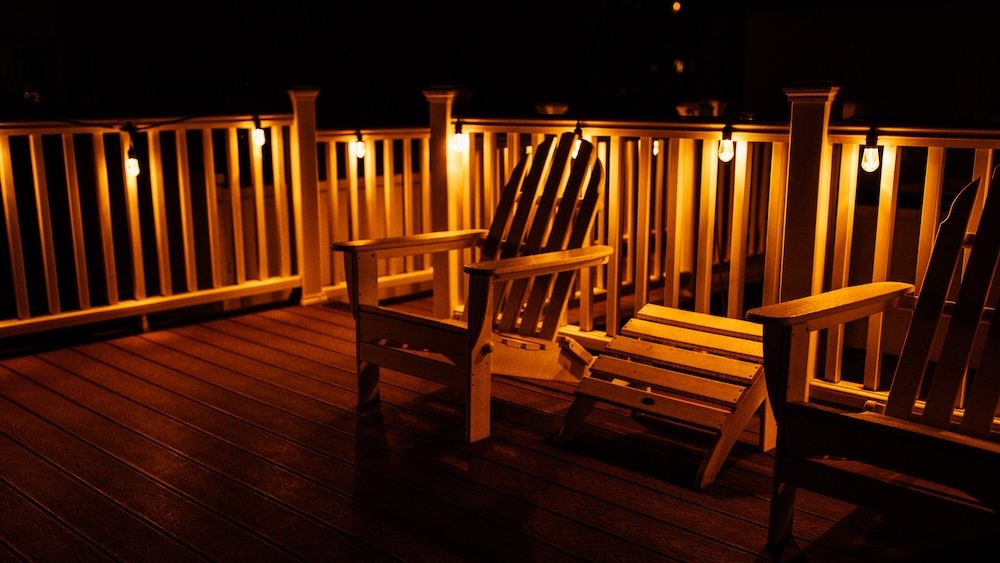
Deck and Step Lights
- Mounted on decks, stair risers, or railing posts.
- Increase safety and ambiance.
Well Lights (In-ground Lights)
- Installed flush with the ground.
- Commonly used at the base of trees or walls for subtle up-lighting.
- Reduces trip hazard posed by other path lights.
Wall Wash Lights
- Spread light evenly across a surface, like a fence, hedge, or stone wall.
Accent and Specialty Lights
- Includes string lights, lanterns, or underwater pond lights.
Most outdoor lighting designs use a combination of these fixture types, like path lights for your front walk, a floodlight over the garage, and string lights around your patio.
So, How Many Landscape Lights Do I Need?
Here’s the truth: there’s no magic number. It depends on your yard size, layout, and goals. But we can give you some clear guidelines.
Rule of Thumb by Yard Area
- Small yards (under ¼ acre): 10–20 lights
- Medium yards (¼–½ acre): 20–40 lights
- Large yards (½ acre+): 40–80+ lights
By Feature or Purpose
- Front Walkway (Typical Home)
- 6–10 path lights for a standard 30–40 ft walkway.
- Driveway
- 6–12 lights depending on length and width.
- Front of House (Facade Lighting)
- 4–10 spotlights/wash lights, depending on architectural features.
- Patio or Deck
- 4–8 deck or wall lights, plus string or accent lighting if desired.
- Trees
- 1–2 spotlights per tree, depending on size.
- Large trees may need 3–4 lights for full coverage.
- 1–2 spotlights per tree, depending on size.
- Garden Beds
- 4–8 accent or path lights to outline planting areas.
- Water Features
- 2–4 submersible or spotlights.
Here’s a quick example:
- A typical suburban home in Grand Rapids might use:
- 8 lights for the front walkway/driveway
- 6–8 for the home’s front facade
- 4–6 to highlight a few key trees
- 6–10 for backyard patio and beds
= 24–32 lights
That’s a very common setup we design for homeowners.

Factors That Affect How Many Lights You Need
Several things influence the number of fixtures in your design:
- Yard Size & Layout: A corner lot with long driveways will need more fixtures than a compact city lot.
- Focal Points: Do you want to highlight just a few key features or light every element of your landscaping?
- Lighting Goals: Some homeowners want subtle ambiance. Others want dramatic architectural highlights or maximum security.
- Fixture Quality & Brightness: A high-quality LED spotlight can do the work of two cheap solar lights. Fewer fixtures may be needed if you invest in durable, professional-grade lighting.
- Budget: Lighting is scalable. Start with the essentials (walkways, front facade) and add more features later.
How Much Does It Cost to Install Landscape Lights?
Another question we get asked often in Grand Rapids:
“How much will it cost to put in landscape lights?”
Costs vary widely based on fixture quality, power source (low-voltage vs. solar) and scope. Here’s a rough estimate for professional installation:
- Path lights: $150–$250 per fixture
- Spotlights/Up lights: $200–$350 per fixture
- Deck/step lights: $150–$250 per fixture
- Complete systems: $3,000–$8,000 for most residential properties
Remember:
- Professional systems use low-voltage LED lighting with transformers, timers and often smart controls.
- High-quality fixtures last 10–15 years and are weatherproof for Michigan winters.
If you’re getting quotes, ask if the price includes the transformer, wiring and labor — not just the fixtures.
Common Mistakes Homeowners Make with Landscape Lighting
We see a few missteps over and over again when homeowners DIY lighting or buy solar kits:
- Too Few Lights: A couple of path lights at the front walk won’t cut it. It leaves big dark gaps.
- Poor Placement: Lights aimed incorrectly cause glare, blind guests or waste energy.
- Over-Lighting: Flooding your yard with bright lights destroys ambiance and wastes electricity.
- Color Temperature Mixing: Warm vs. cool white LEDs don’t play nice together.
- No Maintenance: Fixtures get dirty, shift or need occasional bulb replacements.
That’s why many West Michigan homeowners choose professional design and installation.
Professional Tips for West Michigan Yards
At Torchwood Landscaping, we design for function and beauty. Here are a few of our favorites:
- Layers: Path, spotlight and accent lights.
- Trees: Mature trees become stunning focal points at night.
- Odd Numbers: 3, 5 or 7 fixtures look more natural.
- Glare: Aim lights carefully and use shields if needed.
- Winter: Snow reflects light. We position fixtures so they don’t get buried by plows or drifts.
- Start with Essentials: Walkways, entries and main features first. Add nice-to-haves later.
We want to create a lighting plan that’s safe, welcoming and elegant, never harsh or cluttered.
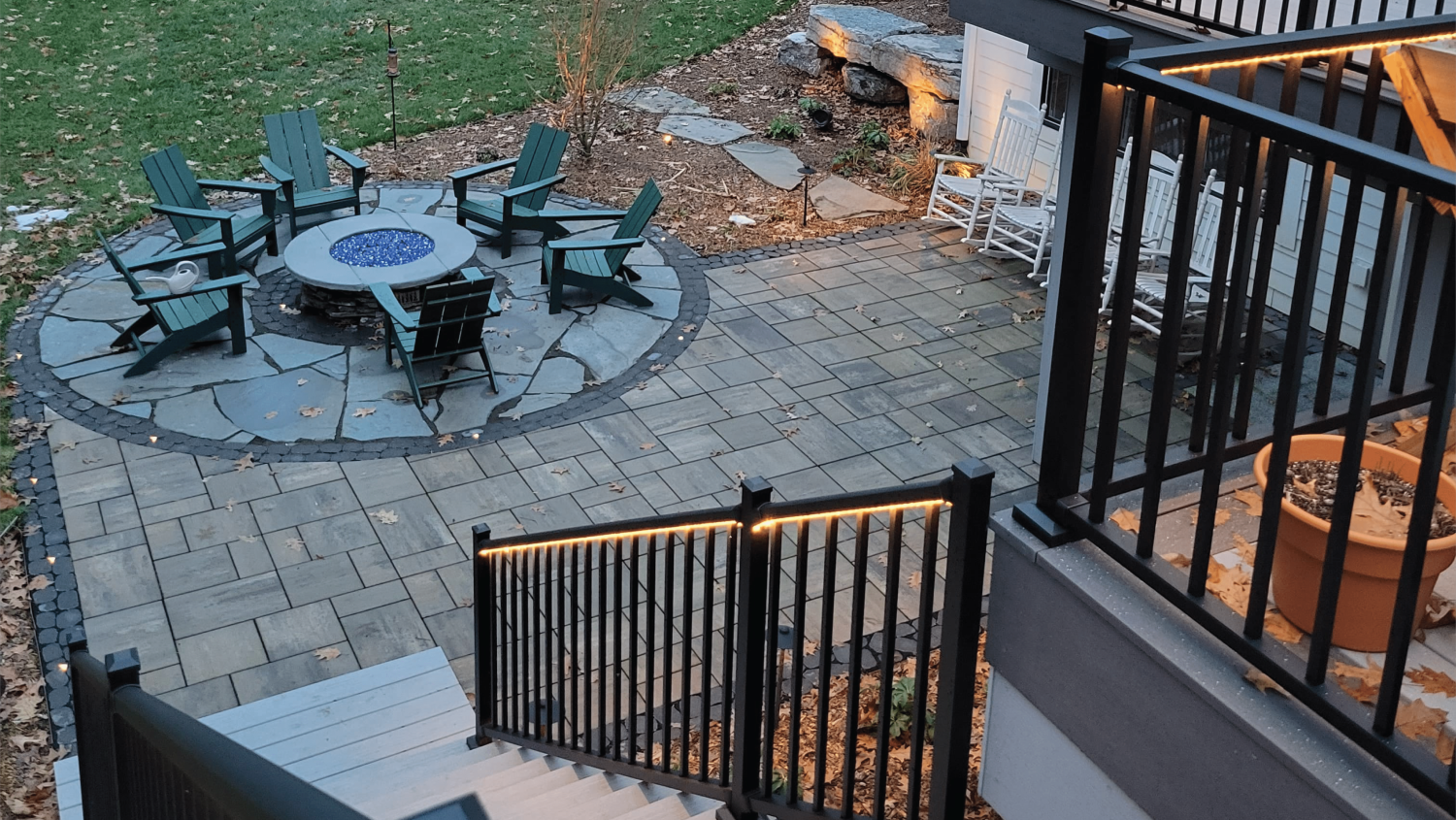
West Michigan Examples
Case Study 1: Grand Rapids Suburban
- 6–10 fixtures
- Path lights along driveway and walk
- Spotlights on 2–3 trees
- Wash lights across front facade
- Deck step lights for patio
- Result: Safer entry, nice curb appeal and cozy patio.
Case Study 2: Holland Lakeshore
- 6–10 fixtures
- Combination of well lights and spotlights on duneside landscaping
- Accent lights for stone retaining wall and fire pit
- String lights over patio
- Result: Dramatic views and soft outdoor living space.
Light Up Your Home in Style
If you’re serious about lighting your yard, a professional system is the better investment.So, how many landscape lights do I need?
For most West Michigan homes it’s 20-40 fixtures, enough for walkways, front facade and a few key features. Larger lots or those who want dramatic effects may need 50+ fixtures.
The real answer isn’t the number — it’s the design. Thoughtful placement, quality fixtures and a balanced plan makes your outdoor spaces safer, more beautiful and more enjoyable.
At Torchwood Landscaping we’ve helped dozens of West Michigan families design and install lighting systems that have changed the way they use their yards.
Contact Torchwood Landscaping today to explore outdoor lighting for your home. We’ll help you figure out how many landscape lights you need — and design a system that looks great in every season.