

Starting from scratch is what a new home build is all about. When you decide to build instead of buying an existing house, you have a chance to make it truly feel like home by adding your own personal touches.
The same is true for new construction landscaping.
When your new home is completed, most construction contractors won’t touch the landscaping around your new home. You have free rein to do what you please, but we want to help you start your new lawn the right way. At Torchwood Landscaping, we help clients with new construction landscaping every year. We know a thing or two about starting from scratch.
In this blog, we’ll cover everything you need to know to prepare, install, and maintain your new construction landscaping—including testing the soil, choosing the right kind of grass, and maintaining young greenery so it stays healthy. You may be working with a blank slate, but we have the tools to help you create a landscape that complements your brand-new home!

Planning Your New Construction Landscaping
Once the building of your beautiful new home is done, you have a new project to tackle—your yard. But don’t pick up a shovel just yet. Let’s cover a few things you should do first so that your new construction landscaping is as beautiful as your new home.
Site Analysis and Assessment
Construction workers can leave a lot behind—debris from the build, tire tracks, and even leftover supplies that never get picked up. Beyond that, you’re working with an entirely new yard that you don’t know much about. Here’s what we recommend doing before making any decisions about your yard:
- Map the sun. The amount of sunlight your yard gets will determine what kind of grass, trees, and other plants will thrive there. You can either use the timelapse feature on your phone’s camera, set up a camera on a timelapse setting, or use a convenient sun-tracking app.
- Draw your ideas. Using just a pen and paper, sketch out your ideas for your yard design. It doesn’t have to be a masterpiece. Measure out your yard’s dimensions, and then plan out where you’d like trees, gardens, or other plants. Indicate unique features like retaining walls, patios, or even drainage systems. A landscape contractor can help you bring those ideas to life by plugging them into more specialized landscape design software.
- Test the soil. Purchase a soil test kit to measure the health of your dirt. Soil test kits range from $20-30, so it’s a small investment to get you started. You can even use a soil meter that measures pH balance, humidity, sun exposure, and more.
Budgeting
You’ve just spent a large investment on a brand-new home—and now you have a yard that’s a mess! It’s important to set a realistic budget before you start any projects. A good rule of thumb is that you should budget about 10% of the cost of the new build for your landscaping. You may think that doing it yourself is more cost-effective, but take a tip from the experts—a landscape contractor will get the job done efficiently and effectively the first time. We don’t believe in do-overs! And we want our clients to have the best experience possible, so our fees cover every detail of the project.
Plants and Materials
Now that you’ve analyzed your new space and have a rough idea of your budget, you can start to research what plants and materials you’d like to use. These materials can include patio material, mulch, decorative elements like fountains or pergolas, and even types of irrigation like sprinkler systems. You can also research plants, trees, and grass based on the health of your soil and the amount of sunlight your yard gets.
Develop a Design Plan for Your New Construction Landscaping
We are almost to the fun part—getting down in the dirt and creating your dream landscape! But first, you have to make sure the nitty-gritty is taken care of. This includes a design plan. Here are some things to consider and talk about with your landscape contractor:
- What is the intended use of your space? If you have kids, you might want a play-friendly yard—that probably means avoiding rocky textures or steep grading. If you want a backyard for hosting, you’ll want to consider what kind of trees will shade your patio the best, or how much room you will need to safely install a firepit. A landscape contractor can help you think each element through.
- Is your design compliant with your Home Owners Association? Whatever your opinions are on the HOA, they do set the rules. They may have guidelines for your landscaping, including how high your fencing can be, what kind of plants you can install, and how often you need to trim and prune your lawn. Make sure you get HOA approval before you start work.
- Are you sure you can dig and till safely? You’ll want to call 811 before you start digging, aerating, or tilling your yard. That way, you can ensure you’re not digging into power or utility lines. You should do this a few business days before you start a digging project so a utility worker can come and mark any underground lines. Not doing so can result in service outages, injury, or death.
Once these questions are answered, you can start prepping your new construction landscape!
Site Preparation
Now, it’s time to dust off your shovel and find those coupons for the hardware store. Once you have a clear vision and the right permission from the right people, you can start preparing your new construction landscaping.
Grading and Drainage
Not all construction contractors are the most diligent with the grading of your yard while they work. They do what is necessary to lay a firm foundation for your home—landscaping is not always top-of-mind. That’s why it’s important to evaluate the grading of your yard after a build. A landscaping expert can determine if you will need to change the grading of your lawn or install drainage systems to keep water away from your brand-new foundation. The need for drainage usually becomes pretty clear after the first rainstorm at your new house—you may see puddles in your yard or pooling around your home’s foundation. Now is the time to get those fixed!
Soil Preparation
Typically, the soil left behind on a new build isn’t the best quality. Again, your contractor team focused on your home, not your yard, so they probably moved a lot of topsoil during the job. They will sometimes replace the dirt with filler, but this filler isn’t always trustworthy for planting. Here are a few things to do to get your soil ready for grass and plants:
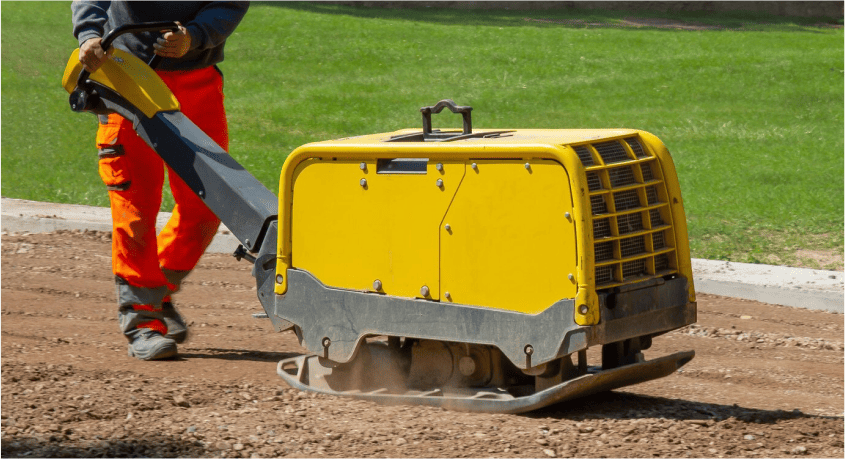
- Till the ground. With heavy machinery and lots of foot traffic, building contractors may have compacted your soil while doing their job. Compacted soil is bad news for growing roots! Tilling the ground will help loosen the soil, even if it’s just filler dirt that you’re going to cover with topsoil. This can also prevent flooding, allowing water to seep further underground.
- Remove rocks and debris. Filler soil is notorious for containing rocks and pebbles. Tilling the soil can help you find and remove these rocks. Also, inspect your yard carefully for leftover debris from the construction job.
- Spread topsoil and fertilizer. Now that the filler dirt is tilled, spread a generous layer of topsoil, especially in areas where you want to plant grass. Use the topsoil to fill in any holes or divots left behind. Then, scatter some starter fertilizer. Look for fertilizer high in phosphorus to ensure the roots grow strong.
Preparing Hardscaping Features
If you plan on adding hardscapes to your new construction landscaping, now is the time to start preparing those features. This could include digging out an inground pool, installing a water system for a fountain, or selecting the right stone material for your patio. It’s usually best to install hardscaping features before landscaping so you can better map out your grass and plants.
Installing Irrigation Systems
Before you plant anything, you should install the wiring and power cords for the irrigation system you plan to use. After you’ve installed a sprinkler system, mark where each sprinkler head is and where it’s buried so you don’t dig into it—or trip over it—while you prep your lawn.
Planting and Installation
After your soil is ready and any wires or irrigation systems are in the ground, you are ready to start planting! Follow some of these guidelines to ensure that your landscape looks beautiful year after year.
Plant Selection and Placement
Plant your greenery based on the results of your sunmapping. Be sure to follow the planting instructions—some plants thrive in a group, and others prefer to bloom on their own! Most planters or seed packets will come with planting instructions to guide you.
Tree and Shrub Installation
We always tell our clients to plant trees with longevity in mind—most trees live for decades if not hundreds of years. Trees like oak and maple may start as tiny saplings, but they need plenty of space for their roots to grow, and the last thing you want is big, beautiful branches tangled in electrical wires or scratching against your windows. A good rule of thumb to follow is if a tree will reach 40 feet or taller at maturity, plant it at least 20 feet from a wall and 15 feet from the corners of your house. Smaller trees (8-10 feet or shorter) can be planted around 10 feet from your house.
When installing shrubs, consider choosing some drought-resistant varieties to plant around your house. These shrubs retain more water in their roots—meaning they can help prevent water damage around your foundation.
Lawn Installation
Planting grass is a labor of love, even if you decide to put down sod instead of grass seed.
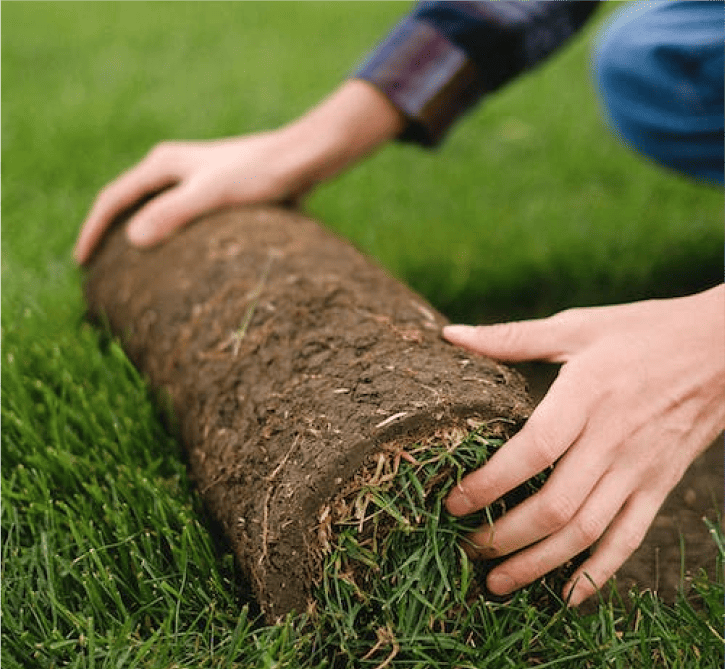
Sod is a great option if you want an instant, ready-to-use lawn. With proper maintenance, a sod lawn is usually ready to go in around two to three weeks. A major downside of sod is it’s typically pricier than grass seed and a lot heavier to manage.
Seed will take a full growing season before you see results. However, seed provides you with more variety. Depending on how much sun your lawn will get, the quality of your soil, and the climate of your area, you can choose from more options of seed as opposed to sod.
There’s no correct answer when it comes to seed-vs.-sod. It all comes down to maintenance!
Maintenance
In order for your new construction landscape to keep blooming and growing year after year, diligent maintenance early on is key. It may take a lot of extra work to get your yard going, but once it is, you’ll reap the benefits for years to come.
Watering and Fertilizing
Create a watering routine for your grass and greenery. If you have an underground sprinkling system, that’s as easy as setting a timer. For your new shrubs and greens, you may need to cycle in an above-ground sprinkler to make sure they get enough water. Be sure to look at the planting and watering instructions for your grass and plants to ensure they get the right amount of water each day. Water your grass during the coolest parts of the day—morning and evening—so the water doesn’t quickly evaporate.
After putting down a layer of fertilizer on your new lawn, you won’t have to worry about it again until the next growing season. The best time to put down fertilizer is in the spring after your grass comes out of its dormant winter state.

Pruning and Trimming
Sod is ready to mow about two weeks after installation. Seed grass probably won’t be mowable until the growing season after it’s planted. Use that extra time to start decorating your new house!
For new trees in your yard, pruning should be kept to a minimum. Keep an eye out for dead branches and remove those as needed. Otherwise, let the tree grow and mature throughout the first growing season. Pruning and trimming branches should become a regular chore as the tree’s limbs get longer.
Pest and Disease Control
Pests and plant diseases are a reality in any landscape. Using insecticide on new grass usually won’t cause any harm. Depending on what trees and greenery you’ve planted, research common diseases and pests that are attracted to these plants, and what signs to look for.
Some of our clients also struggle with birds or other animals eating their freshly planted grass seed. While they are great built-in pest control for grubs, birds will also make a snack out of your lawn! Age-old tactics like scarecrows or motion-activated sprinklers can keep them at bay. Bird-repellant sprays are harmless to your feathered friends but taste bitter enough that they’ll swear off your grass seed forever.
Other pests can come and go throughout the seasons—deer love to dine on fresh flowers, rabbits might make a salad out of your shrubs, and groundhogs have a habit of aerating your lawn in the worst way. Depending on what four-legged pest might be attracted to your lawn, many hardware stores and retailers sell animal-specific repellants.
Seasonal Maintenance
If you live in a seasonal climate, your new yard will need extra protection before the weather turns. As the weather cools, consider doing these things to protect your new construction landscaping:
- Wrap your shrubs. Wrapping your shrubs up for the winter protects them from moisture loss, cold weather decay, and pest damage. Similarly, wrapping tree trunks can further protect them from frostbite and sunscald.
- Rake your lawn. Leaves left behind can cause fungus and mold buildup—and that’s the last thing a growing lawn needs.
- Bury the bases of your plants. Bury the bases of your plants and trees in at least three inches of mulch. This will reduce water loss and prevent the soil from freezing.
- Mow before the cold hits. It’s okay to cut your grass right before the cold snap. Cutting your lawn to about three inches will protect new growth—and save you the extra work in the spring.

Trust Your New Construction Landscaping to the Experts
From testing the soil to setting a watering schedule, starting a new construction landscape from scratch involves a lot of sweat equity. And after all the time and effort you’ve put into your home build, why not let an expert handle your landscape?
At Torchwood Landscaping, we want your landscape dreams to become your reality. Just like your new home, your from-scratch yard should also bring you joy year after year. After all, a house doesn’t feel like home without a backyard to enjoy barbecues, a front yard to enjoy catch with the kids, or colorful arrays of flowers and greenery to enjoy every year. Schedule a free estimate with us today. We’ll come out to your new home, assess what we have to work with, and provide a free quote based on what you’re looking for. Take the headache out of building a new home—trust the landscaping to us!