

Is your yard turning into a swamp every time it rains? Picture this: you wake up after a night of steady rain, ready to enjoy a nice day outside. But when you step onto your lawn, it’s a soggy mess. Water has pooled in all the usual low spots, the grass feels like a sponge, and muddy patches make every step a balancing act. Instead of a lush green lawn, you’ve got puddles, mud, and a backyard that’s basically unusable.
Dealing with a waterlogged yard isn’t just frustrating—it can cause bigger issues, too. Standing water attracts mosquitoes, leaves plants struggling with root rot, and can even lead to foundation problems if it’s close to your house. But you don’t have to live with it. With a few smart changes, you can keep your lawn healthy, dry, and usable, no matter the weather. Here are six simple ways to improve your lawn drainage and finally say goodbye to the mud.
What is Lawn Drainage?
Lawn drainage refers to how well water is absorbed and moves through the soil in your yard. In a well-drained lawn, water flows naturally through the soil, providing moisture without creating puddles or soggy spots. But in a poorly drained lawn, water tends to pool, creating muddy patches and even small ponds.
Water can come from various sources—rain, melting snow, sprinkler systems, or even nearby bodies of water. If it has nowhere to go, it can lead to issues like standing water, which can harm your grass and attract mosquitoes. Certain factors, like having clay soil or living in a low-lying area, can make lawn drainage more challenging. But no matter your yard’s setup, there’s always a drainage solution that can help keep your lawn healthy and dry.
4 Signs You Need Better Drainage
Some signs that your lawn needs better drainage are obvious, like standing puddles that linger long after the snow has melted or rain has passed. But there are other, less obvious indicators that water could be causing problems in your yard—and even impacting your home:
- Spots of dead or dying grass. Yellow or brown patches in your lawn can indicate that water is pooling and depriving your grass of oxygen, eventually killing it.
- Foundation or pavement cracks. If you’re noticing more cracks in your sidewalks or foundation, excess water may be shifting the soil around your home, causing uneven settling and structural issues.
- Increased pests. Standing water, especially in warm weather, creates an ideal breeding ground for pests like mosquitoes. If you see more biting insects in summer, it may be a sign of poor drainage.
- Mold and unpleasant odors. Stagnant water can lead to mold and bacteria growth, sometimes causing a foul odor in your yard. These conditions aren’t just unpleasant—they can also pose health risks, especially if kids or pets come into contact with the contaminated water.
These issues can damage both your lawn and home if left unchecked. The good news? Many of these problems will resolve once you establish an effective drainage system to remove standing water from your yard.
6 Tips to Improve Your Lawn’s Drainage System
At Torchwood Landscaping, we want you to have a healthy yard you can enjoy year-round. Here are six simple yet effective ways to improve your lawn’s drainage system:
1. Aerate Your Lawn
Aeration involves creating small holes in the soil to allow air, nutrients, and water to penetrate deeper into the ground. These holes help prevent water from pooling on the surface, directing it into the soil instead. If your grass has suffered from standing water, aerating your lawn can enrich the soil and encourage healthy grass growth.
Time-saving tip: Many homeowners use a manual core aerator, which is effective but can be time-consuming. If your yard is large, consider renting a mechanical aerator for faster results.
2. Consider Top Dressing
Top dressing adds a thin layer of soil or organic material, like compost, over your lawn. This method boosts absorbency, adds nutrients, and can help redirect excess water. Top dressing works especially well if you plan on planting new grass. However, it’s essential to know that while this method can improve drainage, it might not fully resolve deeper drainage issues.
Best for: Smaller yards or areas where you want to plant grass, as it can require time and effort to apply evenly.
3. Bury Your Gutter Downspouts
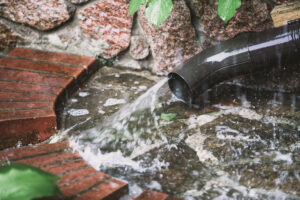
Gutters protect your home from water damage, but runoff from downspouts can lead to lawn flooding, especially after heavy rain or snowmelt. By burying downspouts, you can direct water underground, reducing surface runoff that pools in your yard.
Pro tip: This job is straightforward for a landscaper, but it may not solve all drainage issues. Depending on the severity, additional methods may be needed.
4. Create A Water Garden

Creating a rain garden or water feature at a lower point in your yard can prevent other areas from flooding. A small pond or decorative pool collects excess water, allowing you to add beautiful plants and create an attractive focal point. While this solution may not be the most budget-friendly, it’s a creative way to manage water and enhance your landscaping.
Ideal for: Homes with natural low spots where water tends to pool, adding both functionality and beauty to your yard.
5. Install A French Drain
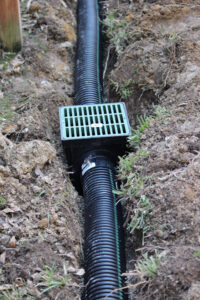
Unlike standard drains, French drains are discreet and blend into landscaping easily. A French drain uses gravel and a perforated pipe to capture and redirect standing water away from problem areas in your yard. With the help of a professional landscaper like Torchwood, you can position it to work seamlessly with your lawn design.
Why it works: French drains are durable, low-profile, and highly effective for managing larger drainage issues.
6. Fix Grading Issues
Over time, shifting soil or settling can create low spots in your yard, leading to poor drainage. Fixing grading issues involves leveling the lawn to direct water away from your home and prevent pooling. While this task can be a DIY project, it involves heavy lifting and soil work, so hiring a landscaping team is often more efficient.
Consider hiring help: A professional can regrade your lawn for optimal drainage, saving you time and ensuring effective results.
Frequently Asked Questions About Drainage
What are common signs of poor lawn drainage?
Common signs include standing water or puddles that linger after rain, yellow or brown patches of grass, an increase in mosquitoes, moldy smells, and cracks in your foundation or pavement caused by shifting soil.
How can I improve lawn drainage naturally?
Natural ways to improve lawn drainage include aerating the soil, top dressing with compost, and planting a rain garden or water-loving plants that absorb excess water.
What is a French drain, and how does it work?
A French drain is a gravel-filled trench with a perforated pipe that collects and redirects water away from problem areas. It’s a discreet way to handle excess water and prevent flooding.
Why does water pool in my yard?
Water pooling is usually caused by compacted soil, improper grading, or excess runoff from gutters and downspouts. Addressing these issues with aeration, regrading, or drainage systems can help.
Do I need a professional to fix my lawn drainage?
Simple fixes like aeration and top dressing can be done DIY. However, complex issues like regrading, installing French drains, or burying downspouts often require professional help for effective, long-term results.
Don’t Let A Soggy Lawn Dampen Your Outdoor Space
Snow melts, rain pours, but with these easy yard drainage solutions, you can keep your lawn beautiful and free of standing water year-round. In this guide, we’ve covered six effective ways to improve lawn drainage. But finding the right solution for your yard can be tricky—every lawn is unique, and so are its drainage needs.
That’s where we come in. Schedule a consultation with Torchwood Landscaping, and let our team of lawn drainage experts identify the best approach for your yard. We’ll help you tackle drainage issues so you can get back to enjoying a healthy, dry lawn, no matter the weather!