
A West Michigan Homeowner’s Guide to Cohesive Indoor-Outdoor Design
If you’ve ever stepped into a home where everything just flows—where the kitchen, living room, and outdoor space feel like one cohesive experience—you’ve felt the difference good design makes.
And if you’ve ever stepped outside onto a patio or deck that feels disconnected, like an afterthought… you’ve felt the opposite.
That’s the hard truth: Most outdoor spaces in West Michigan are designed separately from the interior.
At Torchwood Landscaping, we see it all the time—beautiful interiors paired with outdoor spaces that don’t match the home’s style, function, or feeling. The result? Missed potential.
Your home has the opportunity to be one seamless floor plan, from indoor to outdoor. In this blog, we’ll explore how indoor-to-outdoor living design can amplify and expand the way you live and use your space.
Why Indoor-Outdoor Design Matters More Than You Think
In West Michigan, we maximize our short outdoor season. When the weather is right, your outdoor space isn’t just a yard—it becomes a dining room, a gathering space, a retreat for quiet morning coffee, and your place to unwind with a book and your favorite drink at the end of the day.
If it doesn’t feel connected to your home, you’re missing out on useful, practical space for the whole family to enjoy.
The biggest mistake homeowners make is design the inside first and treat the outside as an afterthought.
The Overlooked Connection: What You See Through Your Windows
One of the most powerful (and most ignored) design elements in your home is this:
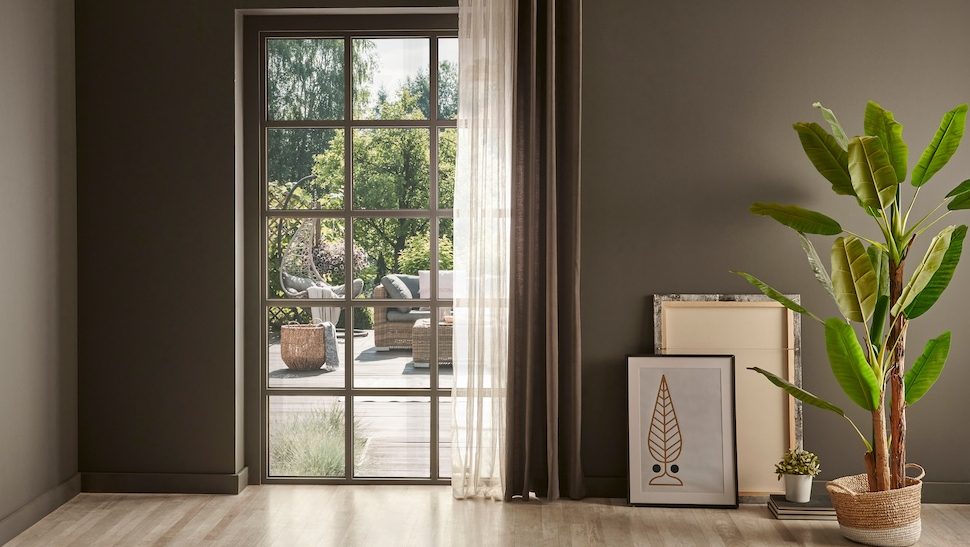
The view out your window.
Lindsey Barkel of White Pine Design explains this better than anyone:
“Exterior decisions that get overlooked and affect the interior? This question brings me back to our starter home. I realized our window was like a piece of art and my eye was constantly being drawn to it, so no matter what we fixed inside wasn’t going to fix the problem of seeing our neighbors. So, we planted some trees! Once you see a window as a frame for the ‘art’ beyond, you begin to realize the major part the exterior plays on the interior.”
The idea that your window as a picture frame is something most homeowners have never considered.
But once you see it, you can’t unsee it.
Alana Palmer of Oh Snap Designs approaches it from a different angle: how the exterior reflects your personal style:
“Your landscaping should feel like a continuation of who you are as a homeowner, whether that leans more toward clean, green, and minimal, or something more colorful and expressive. Even details like the materials and design at your front or side entry—brickwork, concrete, or walkways—set the tone before you ever step inside.”
What This Means for You
When designing your outdoor space, ask:
- What do I see from my kitchen every morning?
- Where does my eye naturally land from the living room?
- Does that view feel intentional, or random?
Because whether you plan it or not… it’s shaping your daily experience.
The #1 Way to Make Outdoor Spaces Feel Like an Extension of the Interior
If there’s one concept to get right, it’s this:
Continuity.
Your outdoor space should reflect:
- The materials of your interior
- The tone and mood of your home
- The way you actually live and use your space
This is where outdoor living spaces become transformative, not just decorative.
Alana highlights one of the clearest examples of this:
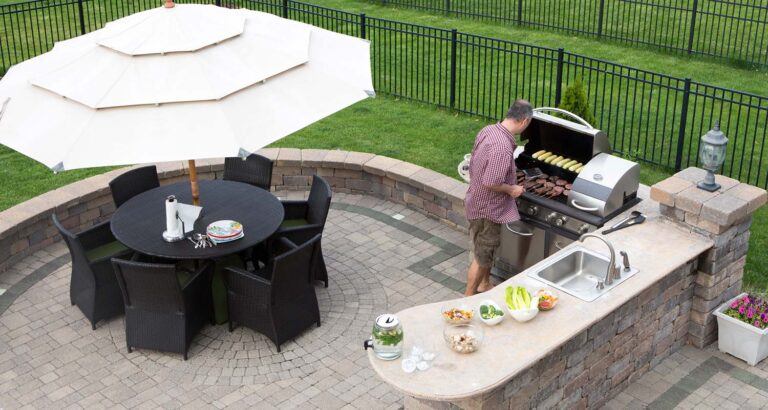
“An outdoor kitchen is one of the best ways to extend your interior into the outdoors. It naturally creates another space for gathering, hosting, and spending time together, instead of pulling people away from the home.”
That’s the shift.
When designed well, your outdoor space doesn’t feel separate, it feels like you simply added square footage to your home.
Lighting: The Most Underrated Design Element
If there’s one element that quietly determines whether a space feels complete or not, it’s lighting.
And it’s often overlooked.
Lindsey explains why it matters so much, especially here in Michigan:
“Especially in Michigan, mood lighting can be a great way to add interest and elevate a home. Use lighting to highlight landscape features, walkways, or shine up on the home. Adding ambiance to an outdoor space is a way to highlight focal moments as the sun sets.”
Why Lighting Changes Everything
Your outdoor space needs to function in multiple conditions, like bright summer afternoons, early evening gatherings, or late-night conversations. Lighting allows you to extend your time outdoors, control what stands out visually, and create a feeling that mirrors your interior. Gone are the days of floodlights being the only option! Dreamy fairy lights, dramatic uplighting, or even simple lanterns or fire features can add the touch you’re looking for.
What Can Undermine a Beautiful Design (and How to Avoid It)
Not every decision moves your design forward. Some choices can bring your vision a huge step back.
Lindsey shares a refreshingly honest example:
“An outdoor living choice that undermines every time is plastic playsets! Once you’ve phased out of that season, get that outta there! Or opt for natural tones that blend in and don’t compete for attention.”
It’s funny, but it’s also true.
Alana points to a broader version of the same issue:
“Any outdoor element that doesn’t align with the overall feel of the home can start to work against the design. The goal is to make sure everything—from materials to layout—feels like it belongs together, rather than competing for attention.”
The Real Takeaway
Design breakdown usually isn’t one big mistake, it’s a series of small mismatches:
- Materials that don’t relate
- Features that don’t serve how you live
- Visual distractions that pull attention away
Great design feels calm, intentional, and uniquely your own.
When Should Landscaping Be Part of the Conversation?
This is where most projects go wrong: Landscaping gets brought in too late after other remodeling or building decisions have been made.
Alana says it plainly:
“At the beginning. When everyone understands the full scope early on, it becomes much easier to make decisions that complement each other instead of trying to piece things together at the end.”
Lindsey expands on what that looks like in real life:
“If we knew at the time of our first meeting that they were going to implement a new landscape design, we would want to see what that design was going to be. If we were doing a new build, we would want to have a landscaper involved before architectural plans were finalized.”
Why This Matters
When landscaping is part of the early conversation, you can:
- Design views intentionally
- Plan for sunlight, shade, and privacy
- Position outdoor spaces with purpose
- Avoid costly redesigns
A Simple Framework for Designing Your Outdoor Space
If you’re not sure where to start, use these questions and considerations to guide your outdoor living design:
- Start With the Interior
What does your home already say about you? What materials do you use, and what colors are on the walls or in each room?
- Think About Views
What do you want to see—and not see? What do you currently see that you like or dislike?
- Design for Real Life
How will you actually use the space? When you have a vision for a summer evening outdoors, what does it look like?
- Create Consistency
Materials, colors, and forms should relate to one another and to the mood of the interior of your home.
- Finish With Lighting and Landscaping
This is where everything comes to life, and both should be considered right alongside the design.
Your Interior and Exterior Are Connected
If you take one idea from this article, let it be this:
Your indoor and outdoor spaces are not separate. They’re connected.
Alana puts it in a way that brings it back to the homeowner:
“Your interior and exterior should both reflect how you live and what you enjoy. When those spaces are aligned, your home just feels better to be in.”
And Lindsey brings it back to that powerful visual:
“The window is a picture frame! And you have the ability to change out the art if you don’t like what you see!”
Final Thoughts: Designing for How You Actually Live
This isn’t about trends. The best homes in West Michigan don’t treat the outdoors as extra space—they treat it as essential space. When everything works together, your home doesn’t just look better. It lives better.
Want Help Designing a Cohesive Outdoor Space?
At Torchwood Landscaping, we help homeowners design outdoor spaces that feel like a natural extension of their home and something they can enjoy year-round. Reach out to request an estimate or use our cost calculator tool to start your budget.
About Lindsey Barkel
Lindsey is the founder and lead designer at White Pine Designs in Grand Rapids, Michigan. She is enthusiastic and confident in delivering an end result that exceeds customer expectations. Lindsey has always been fascinated by the intentional combination of bringing lifestyle + design-forward ideas into the home. In working alongside an area builder, Lindsey discovered another passion: entrepreneurship! Lindsey enjoys quality time with her four tween/teen children + Jordan and getting her hands dirty in the garden.

About Alana Palmer
Alana owns Oh Snap Designs in Grand Rapids, Michigan, where she’s a color consultant and an interior designer. Alana focuses on intentional designs and colors that help homeowners love their space.