Hardscaping is right up there as one of the most misunderstood parts of winter landscaping in West Michigan.
Can it be done, or can’t it? The truth is somewhere in the middle.
The thing is, hardscaping can be done in winter, but its success really depends on the prep work, the weather conditions, the materials you use and the methods you employ. This guide will spell out exactly what works, what doesn’t, and how professionals go about approaching winter hardscaping in the Grand Rapids and West Michigan area.
Why Winter Hardscaping Is Different in West Michigan
Winter hardscaping isn’t just about temperatures being low. It’s about:
- The depth of frost: Ground that’s too cold makes for poor installation.
- Freeze-thaw cycles: Changing ground temperatures can make the job tedious.
- How far you can compact the soil before it’s frozen solid: That’s why waiting until consistent warmups is sometimes ideal.
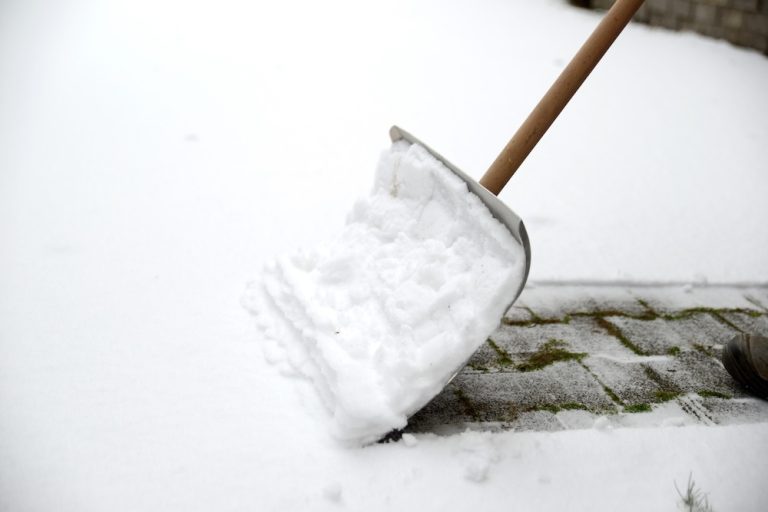
- How much snow is on your site and how you get access to it: Snow removal can set back your completion timeline.
- Materials that can stand up to low temperatures without cracking: More delicate, porous material won’t stand a chance.
Ignore these factors and you’re basically asking for problems: patios settling, walls leaning, masonry cracking. Respect them and your winter-installed hardscapes will last just as long as those done in summer.
The Hardscaping Projects That Can Work Well in Winter
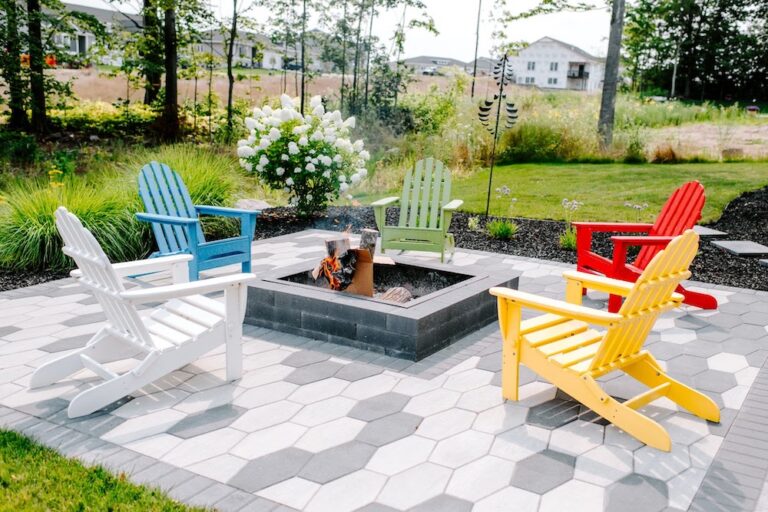
Paver Patios and Walkways (Providing Base Prep is Proper)
Paver systems rely more on proper base preparation than on mortar holding it all together, which makes them good candidates for winter work when the conditions are right.
A successful winter paver install requires:
- Proper excavation depth
- Compacting the subgrade when it isn’t frozen
- Creating controlled bedding layers
- Keeping an eye on the weather and waiting for the right window
A lot of the time excavation and base prep happen in the fall, and then pavers are laid in winter when the snow and frost allow for it.
Retaining Walls and Segmental Block Systems
Segmental retaining walls can be installed in winter if:
- The base material is laid down and compacted correctly
- Frozen soil is taken out and replaced
- Proper drainage behind the wall is put in
- Drainage is especially critical during winter builds to avoid issues with frost pressure come spring
Masonry and Mortared Features (If Done Right)
Contrary to popular belief, masonry work isn’t automatically off-limits in the winter.
Winter masonry might include:
- Tents or tarps over the job site
- Temporary heating to keep things warm
- Cold-weather rated mortars
- Longer curing times to ensure it all sets properly
All these steps help ensure proper curing and long-term durability, but they must be done right.
When Winter Hardscaping Should Wait
Winter hardscaping should wait when:
- The subgrade is frozen so deeply it can’t be compacted
- There’s too much snow to accurately lay out the hardscape
- A deep-freeze is forecast and it’s going to be a long time before things thaw
- Proper compaction just isn’t going to be possible
Not doing hardscaping in winter isn’t a failure. If you try to rush it, you’ll end up with more problems (like settling and cracking) down the line.
How Winter Hardscaping Can Actually Save Time
Homeowners who get on with their winter hardscaping projects often:
- Shorten up their spring project timelines.
- Avoid the contractor backlogs.
- Lock in materials early to avoid shortage.
- Spread out the phases of the project across the seasons.
The trick is finding a contractor who understands when to push forward and when to hold back.

How Torchwood Landscaping Approaches Winter Hardscaping
At Torchwood Landscaping, winter hardscaping decisions are made on a case-by-case basis, taking into account:
- The site’s specific soil conditions.
- Current frost depth.
- Upcoming short- and long-term weather forecasts.
- The type of project and materials.
Some projects go ahead as planned. Others get staged. Some are put on hold, and that’s by design. It’s because we know we can’t do a proper job due to conditions.
That flexibility is what keeps winter hardscape projects standing the test of time.
Frequently Asked Questions About Hardscaping in Winter
Can Pavers Be Installed in Winter in Michigan?
Yes, pavers can be installed in winter if you get the base prep right, compact the subgrade, and weather conditions are right.
Does Mortar Cure in Cold Weather?
Mortar can cure in cold weather if you use the right materials and protect it with tarping and heating and so on.
Will Winter-Installed Hardscapes Settle?
Not if done properly! Settlement is usually a sign of poor base prep, not the season.
Planning a Hardscape Project This Winter?
If you’re eyeing a patio, walkway, retaining wall or masonry feature in the West Michigan or Grand Rapids area and are wondering if winter is a good time to go for it, it may be – or it may be a perfect planning window.
The key is understanding what works, what doesn’t and why.
If you’re interested in starting a hardscaping project this Michigan winter, give our team a call to see if we can help. Request an estimate with Torchwood today!